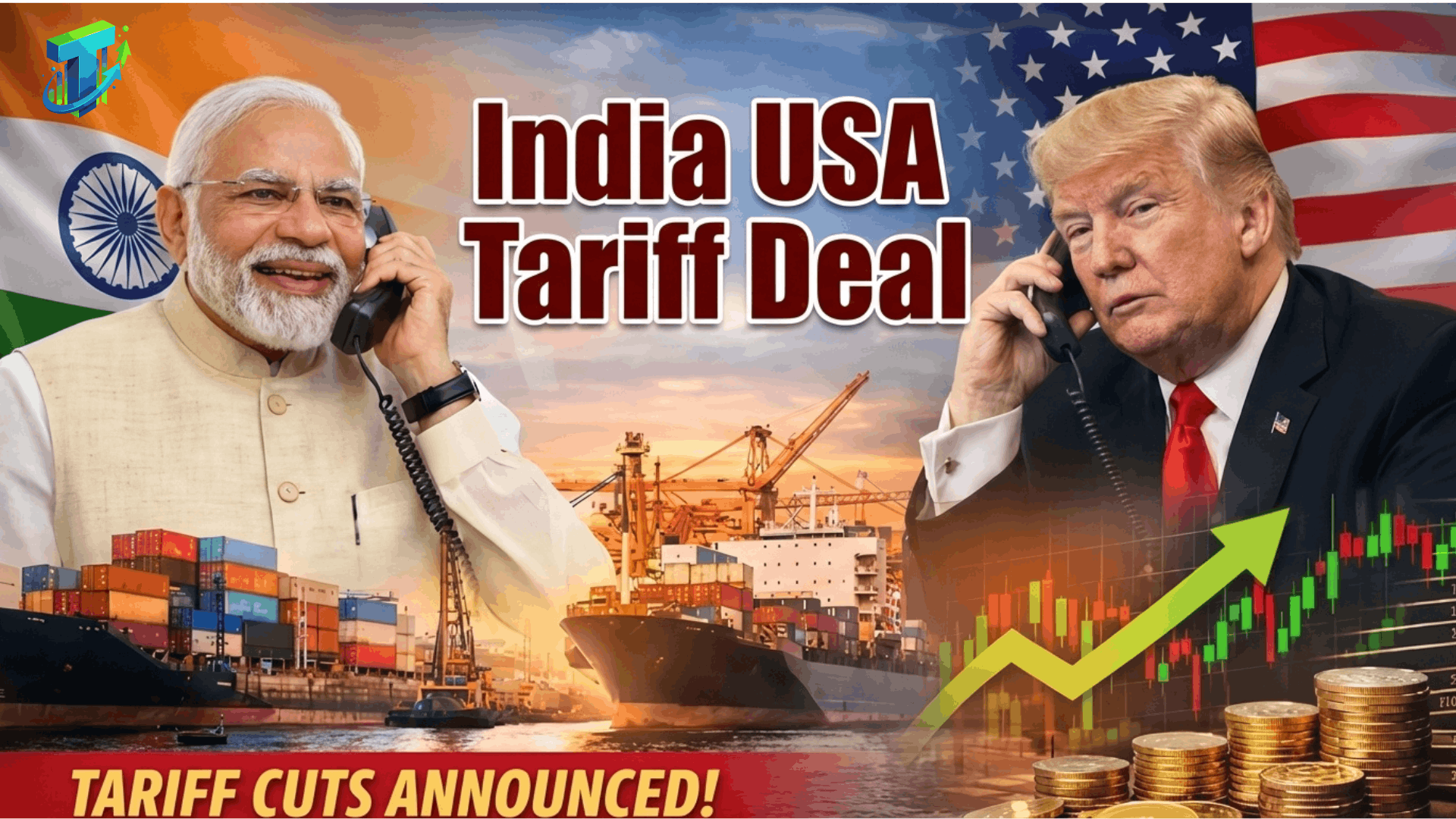
Unlocking Opportunities: Understanding the India - US Trade Deal and its Impact on Market Movements
Introduction to the India - US Trade Deal
The world of international trade is often a complex web of agreements, negotiations, and shifting dynamics. Among the most significant partnerships shaping this landscape today is the burgeoning India-US trade deal. This agreement not only symbolizes a deepening economic bond between two powerhouse nations but also holds immense potential for reshaping markets on both sides of the globe.
With India's rapid growth story and America's technological prowess, their economic partnership stands to unlock opportunities that could benefit businesses and consumers alike. As we delve into the nuances of this trade deal, we'll explore its historical context, key points, benefits for both countries, market impacts, challenges ahead, and what it means for future collaborations. The implications are vast—whether you're an investor in Wall Street or a small business owner in New Delhi. Join us as we unpack this vital topic!
History of trade relations between India and the US
The trade relationship between India and the US dates back to the 19th century. Initial exchanges were minimal, primarily involving agricultural products and textiles.
Post-independence in 1947 marked a pivotal shift. Economic policies leaned towards self-sufficiency, limiting foreign trade. However, by the 1990s, liberalization opened doors for greater engagement.
Since then, bilateral trade has surged significantly. In recent years, both nations have recognized mutual benefits in collaborating across various sectors like technology and pharmaceuticals.
Key milestones include India's participation in global supply chains and the establishment of annual strategic dialogues focused on enhancing economic ties. The emergence of the digital economy further solidified this partnership.
Today, each country views the other as a critical ally in navigating complex global markets while striving for sustained growth through shared innovation.
Key Points of the Trade Deal
The India-US trade deal encompasses several key points designed to enhance bilateral economic ties. One major focus is the reduction of tariffs on goods, making it easier for businesses in both countries to access each other's markets.
Another significant aspect is the emphasis on technology transfer and collaboration. This aims to boost innovation across sectors like healthcare, agriculture, and information technology.
Additionally, there are provisions for intellectual property rights protection. Strengthening these rights can encourage investment by ensuring that innovations are safeguarded.
Sustainability also plays a role in this agreement. Both nations have committed to promoting green technologies and renewable energy initiatives.
The deal includes commitments around labor standards and environmental protections, fostering responsible business practices while enhancing trade relations between India and the US.
Potential Benefits for both Countries
The India-US trade deal presents numerous advantages for both nations. For India, enhanced access to the US market opens doors for increased exports. This means more opportunities for Indian businesses to expand and thrive.
On the flip side, American companies stand to gain from reduced tariffs on goods entering India. This could lead to a surge in investments, boosting local production and creating jobs within India.
Furthermore, collaboration in sectors like technology and agriculture will foster innovation. Joint ventures between firms can lead to cutting-edge solutions that benefit consumers in both countries.
Moreover, this partnership enhances strategic ties beyond just economics. Strengthened diplomatic relations may also pave the way for collaborative efforts on global challenges such as climate change or health crises.
These benefits create a dynamic environment where both economies can flourish together while solidifying their roles on the world stage.
Impact on Market Movements in India and the US
The India-US trade deal is poised to create significant ripples in market movements. As tariffs lower and access expands, businesses on both sides are likely to experience growth.
Stock markets may react positively as investors anticipate increased revenue streams from enhanced trade relationships. Sectors such as technology, agriculture, and pharmaceuticals could witness a surge in investment.
Conversely, some industries might face challenges due to heightened competition from imported goods. This dynamic can lead to volatility in specific sectors.
Currency fluctuations are another aspect that traders will need to monitor closely. Changes in import-export flows can impact exchange rates between the Indian Rupee and the US Dollar.
The interconnectedness of these economies means that shifts in one market will inevitably influence the other, creating a landscape rich with opportunities and risks for savvy investors.
Challenges and Concerns surrounding the Trade Deal
Despite the promising outlook for the India-US trade deal, several challenges and concerns loom. One major issue is regulatory barriers. Both nations have different standards that can complicate compliance.
Another concern revolves around market access. While tariffs may drop, non-tariff barriers like quotas and licensing requirements could hinder seamless trade flows.
Political factors also play a significant role. Domestic pressures in both countries might lead to policy shifts that affect negotiations or implementation of the deal.
Additionally, there’s uncertainty about labor rights and environmental standards. Critics argue that prioritizing economic gains could undermine these vital areas, leading to public backlash.
Fluctuating currency rates can impact export competitiveness. Such volatility adds another layer of risk for businesses looking to capitalize on this partnership. These challenges require careful consideration as stakeholders navigate the complexities of international trade relations.
Future Outlook and Opportunities for Businesses in both Countries
The future holds significant promise for businesses in both India and the US as they navigate the evolving landscape of their economic partnership. Enhanced cooperation through the India-US trade deal opens doors to new markets and innovative collaborations.
Digital transformation is a key area where companies can thrive. With technology driving growth, startups on both sides have potential for joint ventures that leverage each nation's strengths.
Additionally, sectors such as renewable energy and healthcare are ripe for investment. As both governments emphasize sustainability, opportunities abound for businesses focused on green technologies or health solutions.
Moreover, increased bilateral trade could lead to a surge in exports and imports between nations, fostering greater demand across various industries. Companies that adapt quickly will likely benefit from this dynamic environment.
As global supply chains continue to evolve, firms ready to embrace these changes may find themselves at a competitive advantage in this promising partnership.
FAQ
What is the India US trade deal?
The India US trade deal refers to a bilateral agreement aimed at enhancing economic cooperation between the two countries. Its focus includes reducing tariffs, increasing exports and imports, and facilitating investment opportunities.
How will this affect small businesses?
Small businesses in both nations stand to gain from reduced barriers to trade. Easier access to each other’s markets can open up new customer bases for innovative products.
Are there specific sectors that will benefit more?
Yes, sectors like technology, agriculture, pharmaceuticals, and textiles are likely to see significant growth under the India-US economic partnership due to increased demand and fewer restrictions.
Will job creation be affected by the trade deal?
Yes, as companies expand their operations or enter new markets through this agreement, it may lead to job creation across various industries in both countries.
What challenges might arise from this deal?
While many benefits exist, potential challenges include regulatory hurdles and differing standards that must be addressed for smooth trade relations.
Disclaimer
The India-US trade deal marks a significant turning point in the economic partnership between these two nations. As both countries navigate their respective challenges and opportunities, understanding the implications of this agreement is crucial for businesses and investors alike.
While there are promising benefits to be gained from enhanced trade relations, it’s essential to remain cognizant of potential hurdles that may arise. Continuous dialogue and cooperation will play a key role in achieving mutual growth. With an eye on the future, businesses must stay informed about market movements resulting from this evolving landscape.
Disclaimer: The information provided in this article is for informational purposes only and should not be considered as financial or investment advice. Always consult with a qualified financial advisor before making any decisions related to investments or business strategies based on changes in trade agreements or market conditions content credit goes to Tredixo.