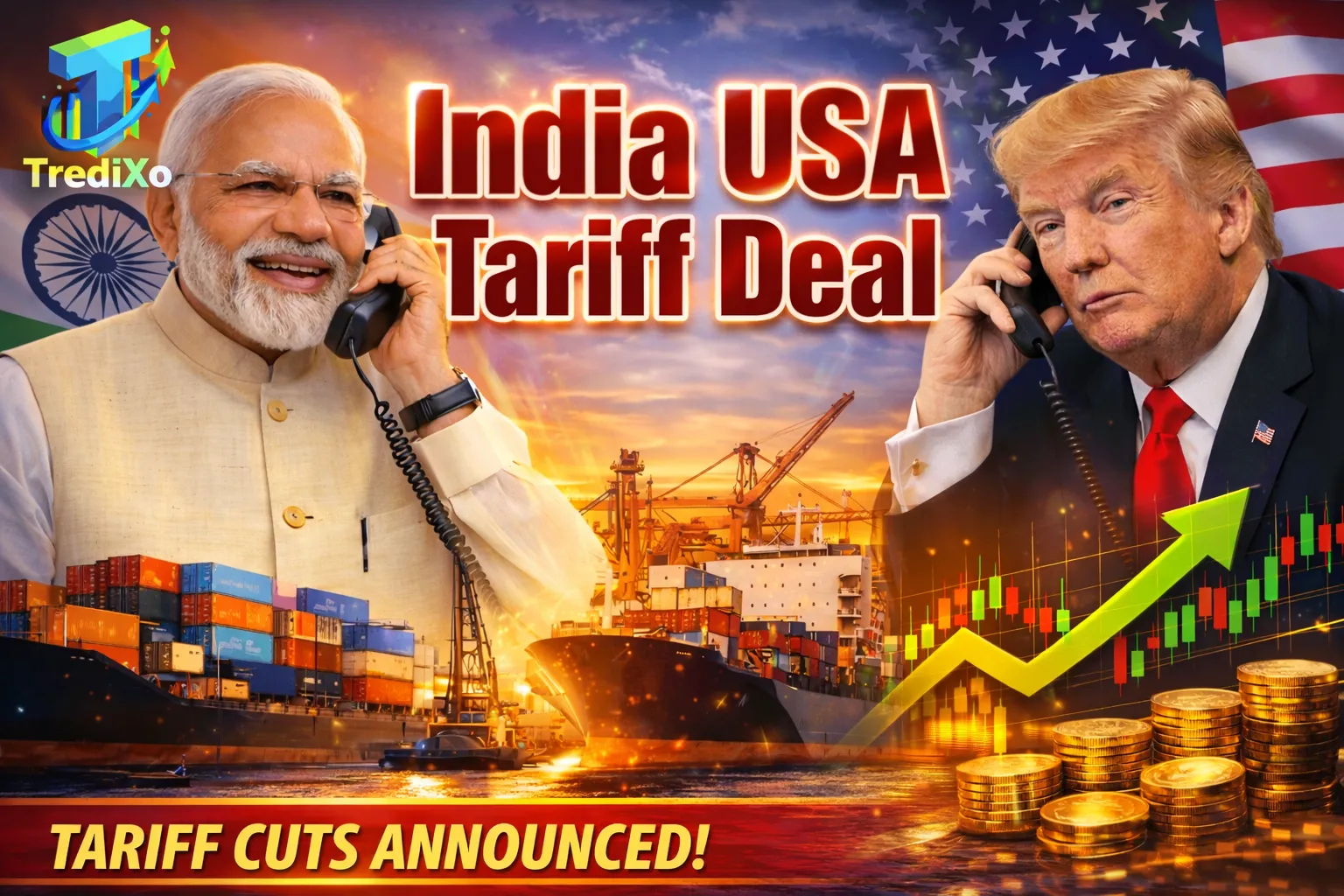
Unlocking Opportunities: Understanding the India - US Trade Deal and its Impact on Market Movements
International trade is a complex web of negotiations, policies, and market dynamics, and few agreements carry as much significance as the India–US trade deal. This strategic partnership reflects the deepening economic ties between two of the world’s largest economies and has the potential to reshape markets, investment opportunities, and business strategies on both sides of the globe.
India’s rapid economic growth combined with America’s technological and industrial expertise positions this trade deal as a catalyst for innovation, market expansion, and strengthened bilateral cooperation. In this article, we explore the historical context, key points, benefits, market implications, challenges, and future opportunities stemming from this landmark agreement.
A Brief History of India–US Trade Relations
Trade between India and the US dates back to the 19th century, initially focusing on agricultural goods and textiles. Following India’s independence in 1947, the country adopted self-sufficient economic policies, limiting foreign trade.
The economic liberalization of the 1990s marked a turning point, opening doors for broader engagement. Since then, bilateral trade has grown exponentially, with both nations recognizing the benefits of collaboration in sectors such as technology, pharmaceuticals, and services.
Key milestones include India’s integration into global supply chains, the establishment of annual strategic dialogues, and the emergence of a robust digital economy. Today, India and the US view each other as critical partners in navigating global markets and fostering innovation-driven growth.
Key Points of the Trade Deal
The India–US trade deal aims to strengthen economic ties through several key measures:
- Reduction of Tariffs: Lower duties on goods make cross-border trade easier for businesses in both nations.
- Technology Transfer & Collaboration: Encourages innovation across healthcare, agriculture, IT, and other sectors.
- Intellectual Property Rights Protection: Enhances investor confidence by safeguarding innovations.
- Sustainability & Green Initiatives: Promotes renewable energy, eco-friendly practices, and responsible business operations.
- Labor & Environmental Standards: Ensures that trade growth aligns with ethical and sustainable practices.
Potential Benefits for India and the US
The trade deal offers significant advantages for businesses and consumers in both countries:
- Expanded Market Access for India: Reduced tariffs enable Indian exporters to reach a broader US audience.
- Investment Opportunities for US Firms: American companies gain easier access to India’s growing consumer base.
- Innovation and Collaboration: Joint ventures in technology, agriculture, and healthcare foster solutions benefiting both economies.
- Strengthened Strategic Relations: Economic cooperation enhances diplomatic ties, paving the way for collaboration on global challenges like climate change and healthcare crises.
Market Implications
The deal is likely to influence markets in both India and the US:
- Stock Markets: Anticipation of increased trade and investment may positively affect sectors such as technology, agriculture, and pharmaceuticals.
- Currency Fluctuations: Changes in trade flows can impact the INR–USD exchange rate.
- Sectoral Volatility: Heightened competition from imports may affect certain industries, creating both challenges and opportunities for businesses.
Investors and traders should monitor these shifts closely, as interconnected markets often experience ripple effects from major trade developments.
Challenges and Concerns
Despite its promise, the India–US trade deal presents several challenges:
- Regulatory Barriers: Differing standards and compliance requirements could complicate trade.
- Market Access Limitations: Non-tariff barriers such as quotas and licensing may restrict seamless trade flows.
- Political Pressures: Domestic policies in either country could impact deal implementation.
- Labor and Environmental Standards: Critics caution that economic priorities should not undermine worker rights or sustainability goals.
- Currency Volatility: Fluctuating exchange rates may affect competitiveness and profit margins.
Addressing these concerns is essential to ensure the deal achieves its intended economic impact.
Read Also About : MCX Trading Rules Every Commodity Trader Must Know
Future Outlook and Opportunities
The India–US trade deal opens doors for growth, innovation, and strategic collaboration:
- Digital Transformation: Technology-driven startups and joint ventures can leverage the strengths of both nations.
- Renewable Energy & Healthcare: Emerging sectors offer investment potential aligned with sustainability goals.
- Bilateral Trade Growth: Increased imports and exports create opportunities for businesses across industries.
- Supply Chain Integration: Companies prepared to adapt to evolving global supply chains can gain a competitive edge.
Overall, businesses that embrace these opportunities are likely to benefit from the long-term advantages of this partnership.
FAQ
What is the India–US trade deal?
It is a bilateral agreement designed to enhance economic cooperation, reduce tariffs, increase trade, and create investment opportunities between India and the US.
How will small businesses benefit?
Small businesses gain easier access to new markets, enabling them to expand their customer base and explore export opportunities.
Which sectors are expected to benefit most?
Technology, agriculture, pharmaceuticals, and textiles are likely to see significant growth due to increased demand and reduced restrictions.
Will the trade deal create jobs?
Yes, expanded operations and cross-border investments may lead to employment opportunities in both countries.
What challenges could arise?
Regulatory differences, compliance issues, and currency fluctuations are potential obstacles to seamless trade implementation.
Disclaimer
This article is for informational purposes only and should not be considered financial or investment advice. Businesses and investors should consult qualified professionals before making decisions based on trade agreements or market conditions.
Content Credit: TrediXo