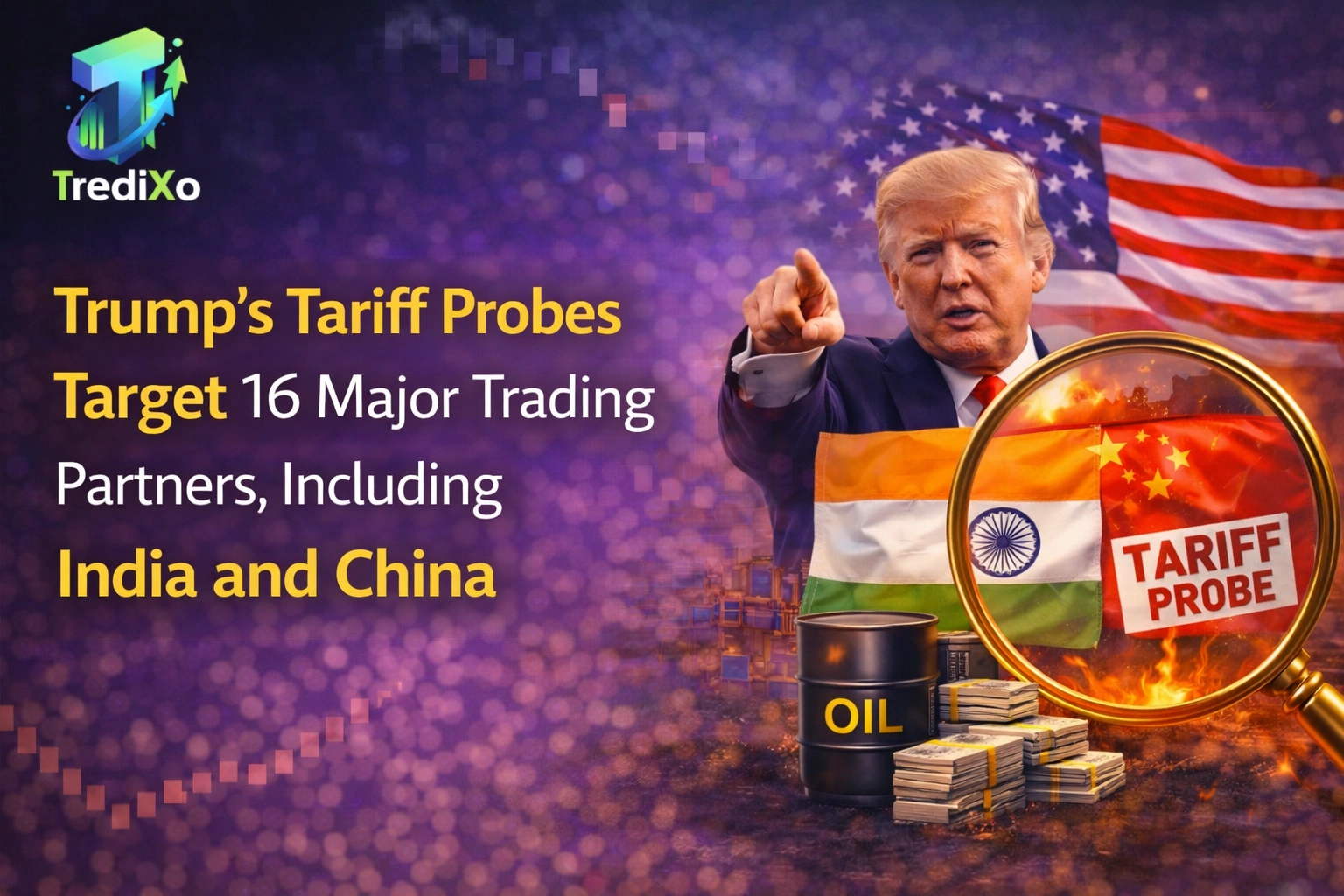
Trump's Tariff Probes Target 16 Major Trading Partners, Including India and China
The world of international trade is a complex web, woven with agreements, negotiations, and sometimes, disputes. At the center of this intricate dance are tariffs—those often-misunderstood tools that governments use to regulate imports and exports. Under Donald Trump's administration, tariff probes have taken center stage as he targets 16 major trading partners, including economic giants like India and China. What does this mean for global trade dynamics? As we dive into the implications of Trump’s trade policy and its potential effects on both the US. economy and its relationships with these nations, one thing is clear: we are witnessing a pivotal moment in trade history that could redefine international commerce for years to come.
What are Tariffs and How Do They Work?
Tariffs are taxes imposed by a government on imported goods. They serve as a way to make foreign products more expensive, encouraging consumers to buy local alternatives.
When a country applies tariffs, it often aims to protect domestic industries from foreign competition. By increasing the cost of imports, tariffs can give local businesses a price advantage.
The mechanism is straightforward: when goods cross borders, customs authorities assess the value and apply the tariff rate accordingly. This additional cost gets passed down to consumers.
Reasons for Targeting 16 Major Trading Partners
The decision to target 16 major trading partners stems from a desire to address perceived trade imbalances. The US. government believes that some countries benefit disproportionately from trade agreements, resulting in significant deficits for the American economy.
China and India are at the forefront of this strategy due to their rapid economic growth and expanding markets. Both nations have been accused of unfair practices, such as currency manipulation and subsidies for domestic industries.
Additionally, Trump’s administration aims to protect American jobs by imposing tariffs on imported goods. This approach seeks to encourage consumers to buy domestically produced items instead of cheaper foreign alternatives.
Impact of Tariffs on the Economy
Tariffs can create a ripple effect across the economy. They raise the cost of imported goods, affecting both businesses and consumers. When prices increase, buying power diminishes. This often leads to decreased consumer spending.
Industries that rely on foreign materials face increased production costs. These companies may pass on expenses to consumers or cut jobs to maintain profit margins. The manufacturing sector can feel this pressure acutely.
On a broader scale, tariffs can provoke retaliatory measures from trading partners. Countries targeted by US tariffs might impose their own tariffs in response, escalating tensions further.
Conclusion:
The future of international trade under Trump’s administration remains uncertain. The tariff probes have already shaken relationships with key trading partners, including India and China.
As nations reassess their strategies, the potential for new trade agreements or conflicts looms large. Countries impacted by US tariffs may look to diversify their import sources or strengthen regional partnerships.
Moreover, the global economy is evolving rapidly. Emerging markets are finding new avenues to establish themselves outside traditional powerhouses like the United States.
Trade policies could shift again based on domestic pressures or international developments. Stakeholders must stay alert as these dynamics unfold in real-time. All credit goes to TREDIXO
FAQ
What are tariffs?
Tariffs are taxes imposed by a government on imported goods. They aim to protect domestic industries and encourage local production.
How do Trump’s tariff probes work?
Trump's tariff probes involve investigations into trade practices of various countries, assessing whether they pose unfair competition or violate trade agreements.
Who is affected by these tariffs?
The 16 major trading partners targeted include powerhouse economies like China and India, impacting manufacturers, exporters, and consumers alike.
Can tariffs lead to higher prices for consumers?
Yes, when imports become more expensive due to tariffs, companies often pass those costs onto consumers. This can result in increased prices for everyday goods.
Are there risks associated with Trump's trade policy?
Certainly. Increased tensions may spark retaliatory measures from other nations and disrupt established supply chains that businesses rely on globally.