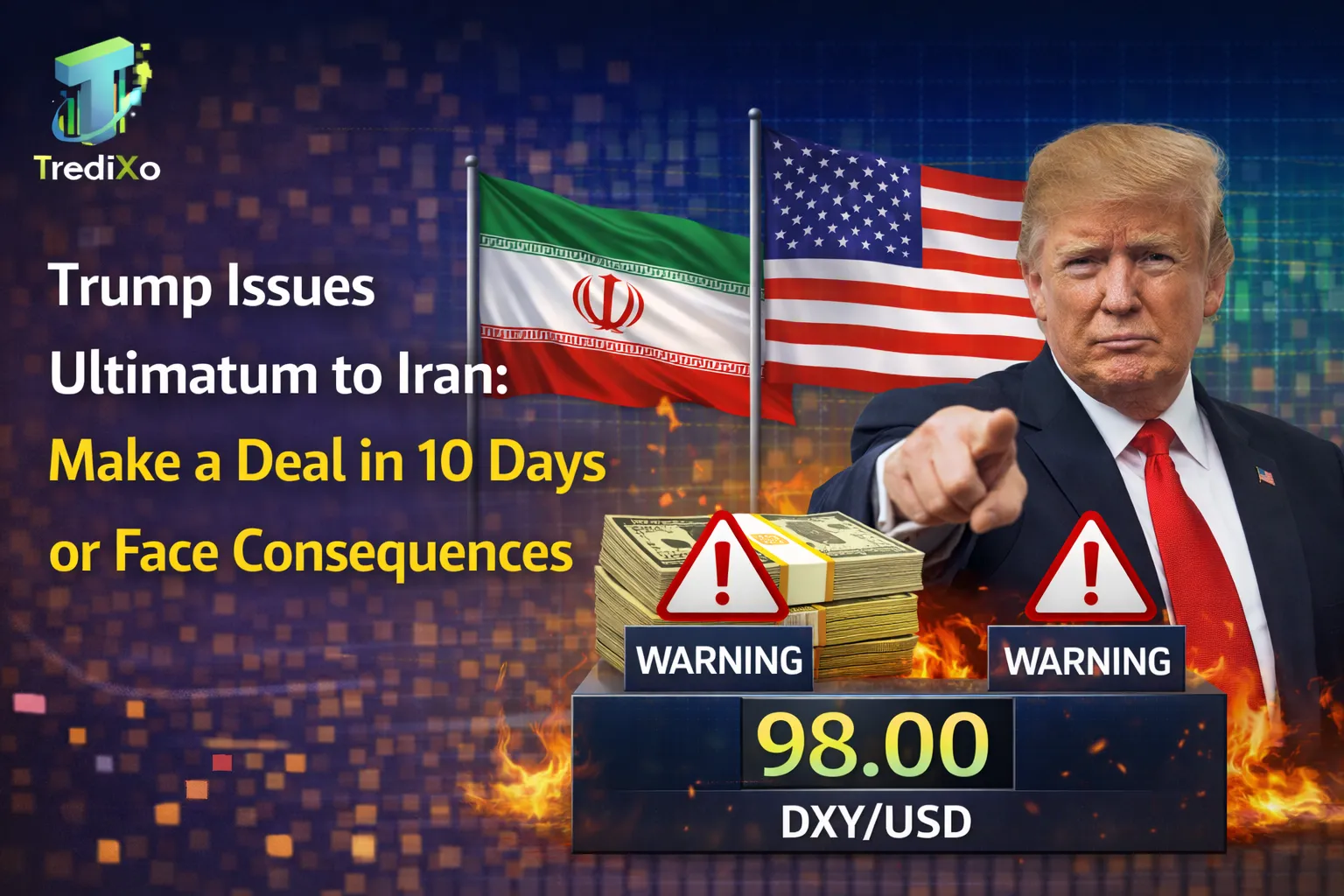
Trump Issues Ultimatum to Iran: Make a Deal in 10 Days or Face Consequences

Details of Trump's ultimatum and the response from Iranian official
President Trump’s ultimatum is clear: Iran has 10 days to come to the negotiating table or face dire repercussions. This announcement was made in a press conference that caught many off guard, emphasizing the urgency of reaching an agreement on nuclear issues.
Iranian officials have responded with defiance. They view the ultimatum as another attempt at coercion rather than a genuine call for diplomacy. High-ranking Iranian leaders have vowed not to yield under pressure, insisting that their sovereignty will not be compromised.
Additionally, Tehran has reiterated its stance on maintaining its nuclear program and criticized U.S. sanctions as unlawful interference. The rhetoric from both sides indicates a growing chasm, leaving observers uncertain about potential pathways forward in these fraught negotiations.
Analysis of potential consequences if Iran does not make a deal within 10 days
If Iran fails to reach a deal within the 10-day ultimatum, the consequences could be severe. The U.S. has indicated that it may ramp up military presence in the region, creating heightened tensions.
A failure to negotiate might lead to further sanctions on Iran’s economy. This could exacerbate already dire economic conditions for ordinary Iranians, possibly leading to unrest within the country.
Additionally, regional allies of the U.S., such as Israel and Saudi Arabia, may feel emboldened. They could take more aggressive actions against Iranian interests in their territories or beyond.
.
History of US-Iran relations and how it has led to this point
The history of US-Iran relations is marked by dramatic shifts. In the early 20th century, Iran and the United States enjoyed a cordial relationship. This changed dramatically following the 1953 coup orchestrated by the CIA, which overthrew Prime Minister Mohammad Mossadegh.
The Islamic Revolution in 1979 marked another turning point. The U.S. Embassy hostage crisis led to a deep-seated animosity that has lasted for decades. Sanctions were imposed repeatedly as tensions escalated.
Conclusion
The situation between the U.S. and Iran remains precarious. Trump's ultimatum places immense pressure on Tehran, pushing them towards a pivotal decision.
Iran's response will shape the future of regional stability. The clock is ticking, and every moment counts in these tense negotiations.
As tensions rise, global observers are watching closely. The implications extend beyond just the two nations involved; allies and adversaries alike have stakes in this unfolding drama. All credit goes to Tredixo .
FAQ
What is Trump’s ultimatum to Iran?
Trump has given Iran a 10-day deadline to negotiate a new nuclear deal. If an agreement isn’t reached by then, he warns of serious consequences.
Why is there a sense of urgency in these negotiations?
The U.S. administration believes that time is running out for effective diplomacy. Increased hostilities or military actions could result if talks fail.
What might happen if Iran doesn’t comply with the ultimatum?
Failure to reach an agreement may lead to heightened sanctions on Iran and possibly increased military presence by the U.S. in the Middle East, raising fears of conflict.
How have Iranian officials responded?
Iranian leaders have dismissed Trump’s threats as mere rhetoric aimed at domestic audiences rather than genuine diplomatic initiatives.
What historical context should be considered regarding US-Iran relations?
US-Iran relations have been fraught since the 1979 Islamic Revolution, leading to decades of mutual distrust, economic sanctions, and intermittent negotiations over nuclear capabilities.
Can we expect any breakthroughs before the deadline hits?
While both sides remain firm in their positions, unexpected developments can always occur in international diplomacy—especially under pressure from deadlines like this one.