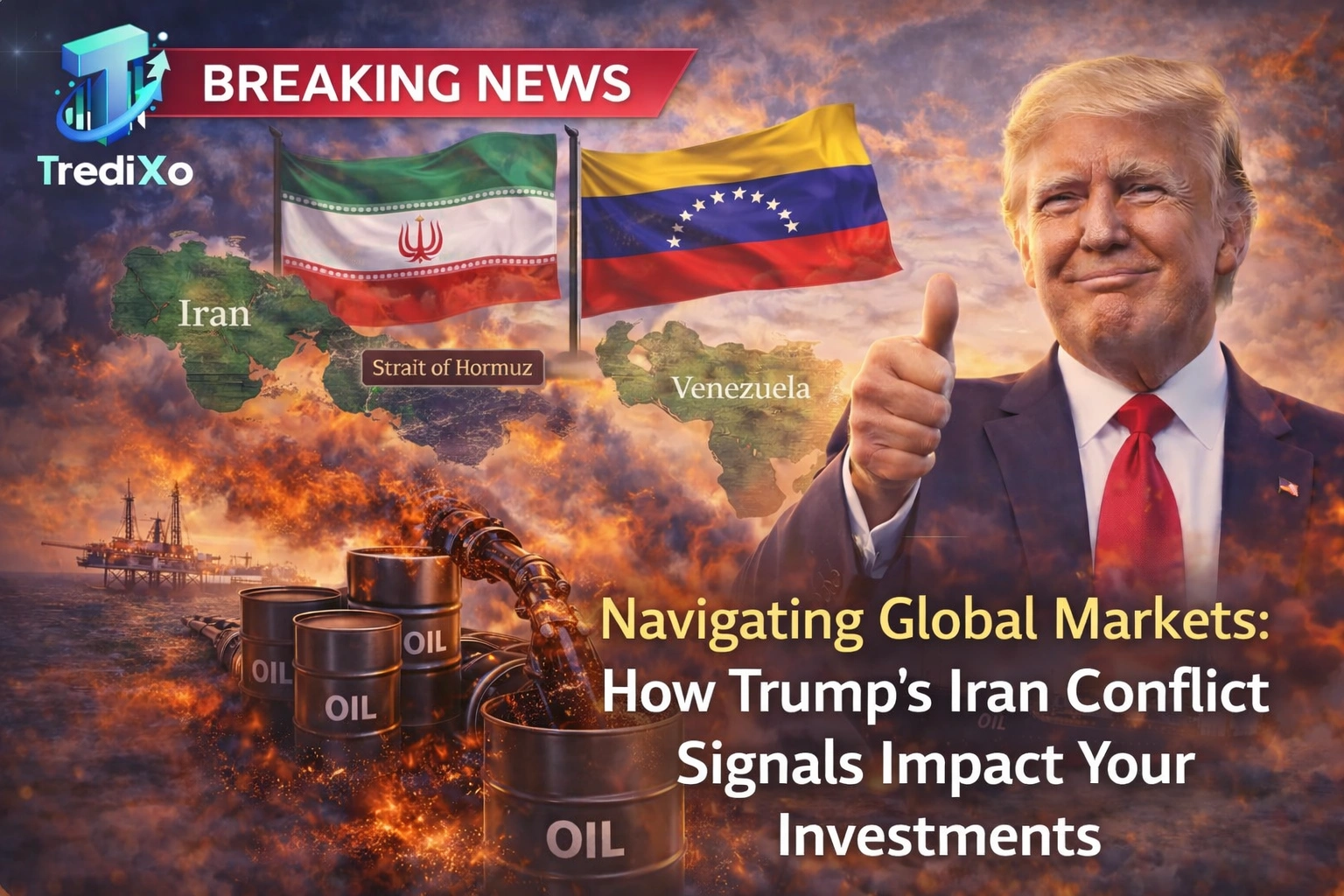
Navigating Global Markets: How Trump's Iran Conflict Signals Impact Your Investments
Introduction to the Trump-Iran Conflict
The world of investing has never been more tumultuous, and the Trump-Iran conflict is at the forefront of this turbulence. As geopolitical tensions rise, markets react with uncertainty, leaving investors scrambling for clarity. With every tweet from former President Donald Trump or move by Iran's leadership, global markets seem to wobble on a tightrope. The stakes are high, and understanding how these developments impact your investments is crucial.
Impact of Sanctions and Tariffs on Global Markets
Sanctions and tariffs have become tools of choice in geopolitical conflicts, significantly impacting global markets. The Trump-Iran conflict serves as a prime example.
When sanctions are imposed, the immediate effect is often a spike in oil prices. Investors react quickly to fears of supply disruptions from Iran, leading to increased volatility across energy stocks and related sectors.
Tariffs can further complicate matters. They not only affect trade relations but also disrupt established supply chains. Companies heavily reliant on imported goods may face rising costs, which can squeeze profit margins.
Effects on Specific Industries and Companies
The Trump-Iran conflict has distinct repercussions across various industries. Energy sectors, particularly oil and gas, are feeling the heat. Prices fluctuate as sanctions tighten supply chains.
Aerospace companies also find themselves in a precarious position. Global market volatility with geopolitical tensions rising, defense contracts may surge or stall based on government priorities and international relations.
Strategies for Investing During Uncertain Times
Investing during turbulent times requires a delicate balance of caution and strategy. One effective approach is to diversify your portfolio. Spreading investments across different sectors can mitigate risk, especially when geopolitical tensions are high.
Consider defensive stocks as a cushion against market volatility. These companies often provide essential goods and services, which tend to hold steady even in economic downturns.
Another tactic is dollar-cost averaging. By investing fixed amounts regularly, you can reduce the impact of market fluctuations on your overall investment cost.
Long-term Outlook for Global Markets
The long-term outlook for global markets amid the Trump-Iran conflict reflects a complex interplay of factors. Geopolitical tensions can lead to fluctuations, but they also create opportunities for savvy investors.
Markets often react sharply to news events, but history shows that over time, they tend to stabilize and recover. While uncertainty may linger in the short term, resilience is a hallmark of global finance.
Alternatives to Traditional Investments
As geopolitical tensions rise, exploring alternatives to traditional investments becomes essential. Real assets like precious metals or commodities can serve as a hedge against inflation and instability.
Cryptocurrencies have gained traction too. These digital currencies operate independently of central banks and can provide diversification in uncertain times. However, they come with their own risks, so thorough research is vital before diving in.
Conclusion
As global markets navigate the uncertainties stemming from the Trump-Iran conflict, investors must remain vigilant. The ripple effects of geopolitical tensions can reshape entire industries overnight.
The landscape is ever-changing. It's crucial to stay informed about developments in Iran and US. foreign policy. Knowledge empowers better investment decisions amid volatility.
Anticipating potential outcomes helps frame strategies that align with personal financial goals while adapting to an unpredictable environment filled with opportunities amidst challenges. All credit goes to Tredixo.
FAQ
What are the main factors driving the Trump-Iran conflict's impact on markets?
The geopolitical tensions arising from this situation often create unpredictability. Investors should keep an eye on sanctions and policy changes that may ripple through global economies.
How do sanctions affect specific industries?
Key sectors like energy, defense, and technology can be significantly affected by these economic measures. Companies reliant on trade with Iran might experience operational disruptions or financial losses.
Are there safe investment options amid such volatility?
Consider diversifying your portfolio into assets like gold or bonds. These traditionally serve as hedges during times of uncertainty.
What’s the long-term outlook for global markets in relation to ongoing conflicts?
While short-term fluctuations are common, history shows that markets tend to stabilize over time. Keeping informed about evolving geopolitical landscapes is crucial for strategic investing decisions.
How should I approach investments during periods of heightened geopolitical tension?
Focus on adaptability and thorough research. Staying updated with news trends helps in making informed choices while navigating potential risks associated with market volatility.