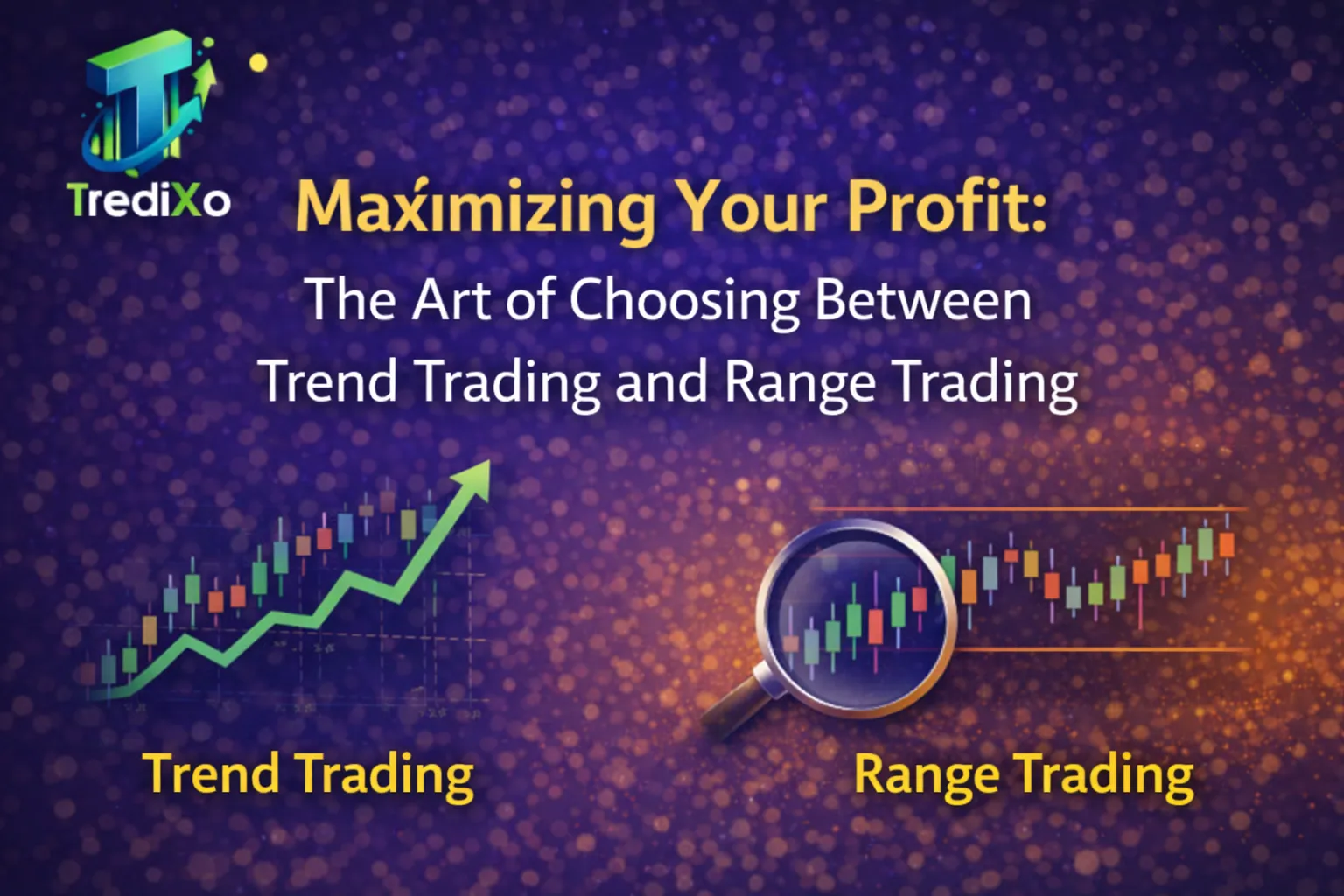
Maximizing Your Profit: The Art of Choosing Between Trend Trading and Range Trading
Introduction to Trend Trading and Range Trading
When it comes to trading, the choices can feel overwhelming. With countless strategies available, how do you know which one suits your style? Two popular methods dominate discussions: trend trading and range trading. Each has its unique appeal, offering traders different paths to profitability. But what exactly sets them apart? Understanding these approaches is essential for anyone looking to maximize their profit potential in the market.
Whether you're a novice seeking guidance or an experienced trader exploring new avenues, grasping the fundamentals of both trend and range trading can significantly impact your decision-making process. Let’s dive into each strategy and discover how they work—so you can choose wisely on your journey toward financial success!

How Trend Trading Works
Trend trading revolves around identifying and capitalizing on the direction of price movements. Traders analyze charts to spot upward or downward trends, aiming to enter positions that ride these waves.
This strategy relies heavily on technical analysis tools. Indicators like moving averages help traders determine momentum and potential reversal points. By understanding market sentiment, they can make informed decisions about when to buy or sell.
Timing is crucial in trend trading. Entering too late can mean missing out on profits, while exiting too early may lead to leaving money on the table. Successful trend traders often stay patient, waiting for the right signals before making a move.
Risk management also plays a vital role here. Setting stop-loss orders protects against sudden market reversals, allowing traders to safeguard their investments while staying in sync with prevailing trends.
The Benefits and Drawbacks of Trend Trading
Trend trading offers several benefits that can make it an appealing strategy for traders. One of the main advantages is its potential for significant profits. By capitalizing on established market movements, traders can ride trends over extended periods.
Additionally, trend trading often involves fewer trades compared to other strategies. This approach allows for more time to analyze and refine techniques without constant monitoring.
However, there are drawbacks to consider as well. Trend reversals can happen unexpectedly, leading to losses if positions aren’t managed properly. It requires patience and discipline; not every trader thrives under these conditions.
Market noise can also create false signals, making it challenging to identify genuine trends. Traders must remain vigilant and adaptable while navigating this dynamic environment. Balancing these pros and cons is crucial in deciding whether a trend trading strategy aligns with your goals.
Explaining Range Trading
Range trading is a strategy that capitalizes on price fluctuations within a defined range. Traders identify consistent high and low points where an asset tends to bounce, allowing them to buy at the lower end and sell at the upper end.
This approach thrives in markets with little volatility. When prices stabilize, traders can predict reversals more accurately. The goal isn't about chasing trends but rather understanding market rhythm.
Indicators like support and resistance levels come into play here. They help traders spot potential entry and exit points based on historical price action.
While range trading offers opportunities for profit, it also requires discipline and patience. Market conditions can change rapidly, making it vital for traders to stay alert. Adapting quickly ensures one doesn't get caught off guard when breakouts occur outside the established boundaries of the range.
Advantages and Disadvantages of Range Trading
Range trading can be appealing for many traders due to its straightforward approach. It thrives on the predictable market behavior of oscillating price movements within established boundaries.
One major advantage is the ability to identify clear entry and exit points. Traders can buy at support levels and sell at resistance, maximizing profit potential during sideways markets. This simplicity reduces decision fatigue.
However, range trading isn’t without its pitfalls. Markets can suddenly break out of established ranges, leading to unexpected losses for those who fail to adapt quickly. Such scenarios require strict risk management practices.
Additionally, range-bound markets may not occur frequently in trending environments, limiting opportunities for profit when conditions favor a trend trading strategy instead. Thus, knowing when to deploy this method becomes crucial for effective trading decisions.
Choosing the Right Strategy for You
Choosing the right trading strategy hinges on your individual style, risk tolerance, and market understanding. Are you more comfortable with swift trades that capitalize on short-term price movements? Trend trading might be your best bet.
On the other hand, if you prefer stability and predictability, consider range trading. This approach often relies on established support and resistance levels, making it appealing for those who enjoy a structured environment.
Reflect on how much time you can dedicate to monitoring markets. Trend traders need to stay alert to changes quickly. Range traders can afford a more relaxed pace while studying price patterns over longer periods.
Don't forget about emotional resilience. Each strategy has its ups and downs; knowing how you'll react in various scenarios is essential for success in any chosen path. Take time to evaluate your preferences before committing fully to either method.
Conclusion: Finding Success in the Market through Smart Decision-Making
Success in the market often hinges on making informed choices. Understanding both trend trading and range trading is essential for any trader aiming to boost profits.
Your strategy should align with your risk tolerance, time commitment, and overall market conditions. Analyzing these factors can empower you to navigate through volatility effectively.
Flexibility is key. Markets change, and so should your approach. Whether leaning towards a trend or range trading strategy, adaptability will serve you well.
Continuous learning elevates your decision-making skills. Stay updated on market trends and refine your strategies as needed.
Smart decisions stem from thorough analysis and self-awareness in trading habits. Embracing this mindset can lead to greater success over time.
FAQ
Maximizing your profit in trading requires a keen understanding of the strategies available to you. As we explore trend trading and range trading, it's essential to focus on what aligns best with your goals and risk tolerance.
When considering whether to adopt a trend trading strategy or a range trading strategy, think about market conditions and personal preferences. Trend traders benefit from momentum but must be cautious of reversals. On the other hand, range traders capitalize on price fluctuations within established boundaries.
Understanding both techniques can enhance your overall performance, helping you make informed decisions that lead to greater financial success.
What is trend trading?
Trend trading involves analyzing market movements over time to identify upward or downward trends. Traders buy when they believe prices will rise and sell when they expect declines.
How does range trading work?
Range trading focuses on identifying price levels where an asset typically oscillates between support (lower level) and resistance (upper level). Traders buy at support levels and sell at resistance points.
Which is better: trend vs range trading?
The answer depends on individual trader preference and market conditions. Trend traders thrive during strong directional moves, while range traders excel in sideways markets.
Can I switch between strategies?
Absolutely! Many successful traders adapt their approach based on current market behavior. Flexibility can improve overall profitability by allowing you to respond effectively to changing situations.
What should I consider when choosing my strategy?
Consider factors like your risk tolerance, time commitment, preferred assets, technical analysis skills, and market type before deciding which strategy suits you best. All the credit goes to Tredixo