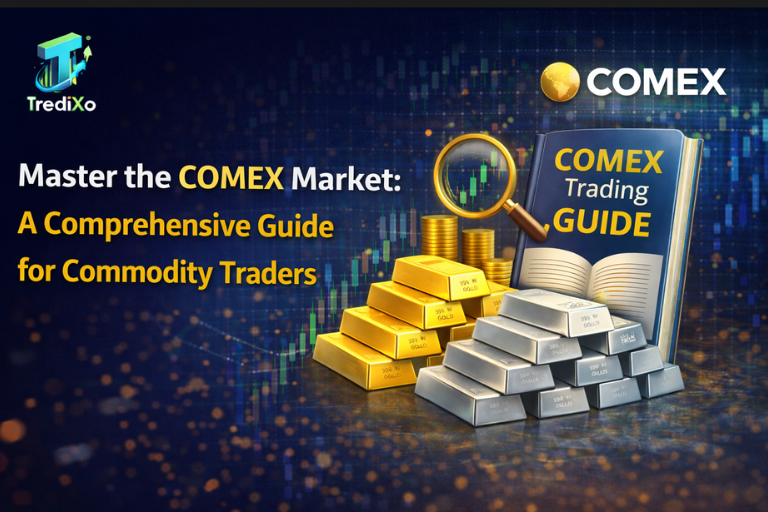
Master the COMEX Market: A Comprehensive Guide for Commodity Traders
Welcome to the fascinating world of the COMEX market, where commodities come alive and trading opportunities abound. Whether you're a seasoned trader or just dipping your toes into commodity trading, understanding this vibrant marketplace is essential for maximizing your potential. The COMEX, short for the Commodity Exchange, offers platforms for trading precious metals like gold and silver as well as energy products and agricultural goods.
Navigating these waters can be thrilling yet challenging. With price fluctuations influenced by a myriad of factors, having a solid grasp of the fundamentals is key. This comprehensive guide will equip you with everything you need to know about COMEX trading—from its rich history to effective strategies tailored for success in futures trading. Prepare yourself to dive deep into insights that could elevate your trading game!
Understanding the COMEX Market and its Purpose
The COMEX market serves as a crucial hub for trading various commodities. It primarily focuses on precious metals, such as gold and silver, but also includes energy products like crude oil and natural gas.
At its core, the purpose of the COMEX is to provide a platform where buyers and sellers can engage in futures contracts. This allows traders to lock in prices today for delivery at a future date, which helps manage risk associated with price volatility.
Moreover, the market plays an essential role in price discovery. By facilitating transactions among numerous participants—from speculators to hedgers—the COMEX reflects real-time supply and demand dynamics.
Transparency is another key aspect; it enables market watchers to glean insights into pricing trends that impact not only commodity trading but also broader economic indicators.
For anyone interested in futures trading strategies or commodity investments, understanding this marketplace's structure is fundamental.
The History of the COMEX Market
The COMEX market, officially known as the Commodity Exchange Inc., has a rich history that dates back to its inception in 1933. Originally focused on trading metals like gold and silver, it quickly became a hub for commodity traders seeking price discovery and risk management.
Throughout the years, COMEX evolved by adopting new technologies and practices. In 1974, it became part of the New York Mercantile Exchange (NYMEX), expanding its offerings beyond precious metals into energy products and agricultural commodities.
The introduction of electronic trading in the late 1990s transformed how traders interacted with the market. This shift allowed for greater accessibility and efficiency.
Today, the COMEX stands as a vital component of global commodity markets. It plays an essential role in determining prices while providing opportunities for hedging against fluctuations across various sectors.
Key Players in the COMEX Market
The COMEX market features a diverse array of participants, each playing a vital role in its dynamics. At the forefront are institutional investors and hedge funds. They bring significant capital and sophisticated strategies, often driving price movements.
Commercial hedgers are another key group. These players include producers and consumers of commodities who use futures to manage their risk exposure. For them, it's not just about speculation; it's a necessary tool for business stability.
Retail traders also contribute to the market's vibrancy. While they may have smaller positions, their trades can influence short-term volatility as they react quickly to news and trends.
Market makers play an essential role too, providing liquidity by facilitating buy and sell orders. Their presence helps maintain smoother trading conditions in the often unpredictable world of commodity trading on the COMEX market.
Factors that Affect Commodity Prices on the COMEX Market
Commodity prices on the COMEX market are influenced by a variety of factors. Supply and demand dynamics play a crucial role. When demand for a particular commodity rises, prices often follow suit.
Global economic indicators are another significant influence. Economic growth can boost industrial demand, whereas recessions tend to decrease it.
Geopolitical events also create ripples in pricing. Tensions in oil-producing regions or trade disputes can lead to sudden price spikes or drops.
Weather conditions impact agricultural commodities heavily. A drought may diminish crop yields, thereby driving up prices due to scarcity.
Currency fluctuations affect international trading capabilities. A stronger dollar generally makes commodities more expensive for foreign buyers, which can suppress demand and consequently lower prices on the COMEX market.
Strategies for Successful Trading on the COMEX Market
Successful trading on the COMEX market requires a blend of research and intuition. Begin by analyzing historical price trends for commodities like gold, silver, and copper. Understanding past movements can inform your future decisions.
Set clear goals based on your risk tolerance. Define how much you're willing to invest and what losses you can absorb without affecting your overall strategy. This clarity will guide you through volatile periods.
Incorporate technical analysis into your approach. Tools such as moving averages or Relative Strength Index (RSI) help identify entry and exit points effectively.
Diversification is crucial too. Don't put all your capital into one commodity; instead, spread it across several options to mitigate risks associated with price fluctuations.
Stay informed about global economic indicators that impact commodity prices. Awareness of geopolitical events or changes in supply chains can give you an edge in the ever-evolving landscape of COMEX trading.
Risks and Challenges of Trading on the COMEX Market
Trading on the COMEX market comes with its own set of risks and challenges. One significant factor is price volatility. Rapid fluctuations can lead to substantial losses if traders aren't prepared.
Market manipulation, although regulated, can still occur. This makes it essential for traders to stay informed about potential influences on prices.
Liquidity risk also plays a role. During periods of high volatility, finding buyers or sellers at your desired price may become difficult.
Additionally, leverage amplifies both gains and losses in futures trading. While this can enhance profits, it equally increases exposure to risk.
External factors like geopolitical events or economic indicators can impact commodity prices unexpectedly. Staying alert to these dynamics is crucial for anyone serious about COMEX trading.
Tips for Navigating Volatility in the COMEX Market
Volatility in the COMEX market can be daunting. Traders must remain calm and collected to navigate these turbulent waters effectively.
First, keep an eye on economic indicators. Reports like employment data or inflation rates can significantly impact commodity prices. Staying informed helps you anticipate market movements.
Next, consider using stop-loss orders. These can safeguard your investments from sudden price drops, providing a safety net during unpredictable times.
Diversification is also crucial. Spreading your investments across different commodities reduces risk exposure and creates more opportunities for profit.
Maintain a disciplined approach to trading strategies. Stick to your plan even when emotions run high; this prevents impulsive decisions that could lead to losses.
Conclusion
Trading in the COMEX market offers unique opportunities for those willing to navigate its complexities. Understanding the dynamics at play can lead to informed decisions and potentially lucrative outcomes.
Commodity trading requires constant learning and adapting. Staying updated on market trends, news, and economic indicators is crucial.
Building a solid strategy tailored to your risk tolerance will serve you well. Whether you opt for short-term gains or long-term investments, having a clear plan is essential.
As volatility remains an inherent part of futures trading, resilience becomes key. Embrace challenges as they arise; every trader encounters them.
With dedication and research, success in the COMEX market is within reach. The journey may be intricate but rewarding for those who persistently apply their knowledge and skills.
FAQ
The COMEX market often raises questions among both new and seasoned traders. Understanding the intricacies can enhance your trading experience.
One common query is about what commodities are traded on this platform. Traders engage with metals like gold, silver, copper, and various energy products.
Another frequent question pertains to how futures work in this arena. Essentially, these contracts allow traders to lock in prices for future delivery of commodities.
Trading hours are also a hot topic. The COMEX operates nearly around the clock during weekdays, offering flexibility for global participants.
Risk management is crucial too. Many ask how they can safeguard their investments while navigating price fluctuations.
Educational resources available for aspiring traders come up often. Numerous platforms offer courses and materials focused on successful strategies tailored specifically for commodity trading within the COMEX market.
Disclaimer
Navigating the COMEX market can be both rewarding and challenging for traders. Understanding its complexities, history, and key players is essential for anyone looking to succeed in commodity trading. With a solid grasp of what influences prices, you can develop effective futures trading strategies tailored to your goals.
As with all investments, risks are inherent in COMEX trading. Staying informed about market volatility and external factors affecting commodities will enhance your ability to make sound decisions.
It's important to do thorough research before diving into the world of futures contracts. Be aware that past performance does not guarantee future results.
When engaging in any form of commodity trading or investing, always consider consulting financial professionals who understand the nuances of this dynamic marketplace.
The information provided in this article is for educational purposes only and should not be considered as financial advice. Trading involves significant risk; readers should conduct their own research or consult a qualified professional before making investment decisions related to the COMEX market or any other markets discussed here in. All the credit goes to Tredixo