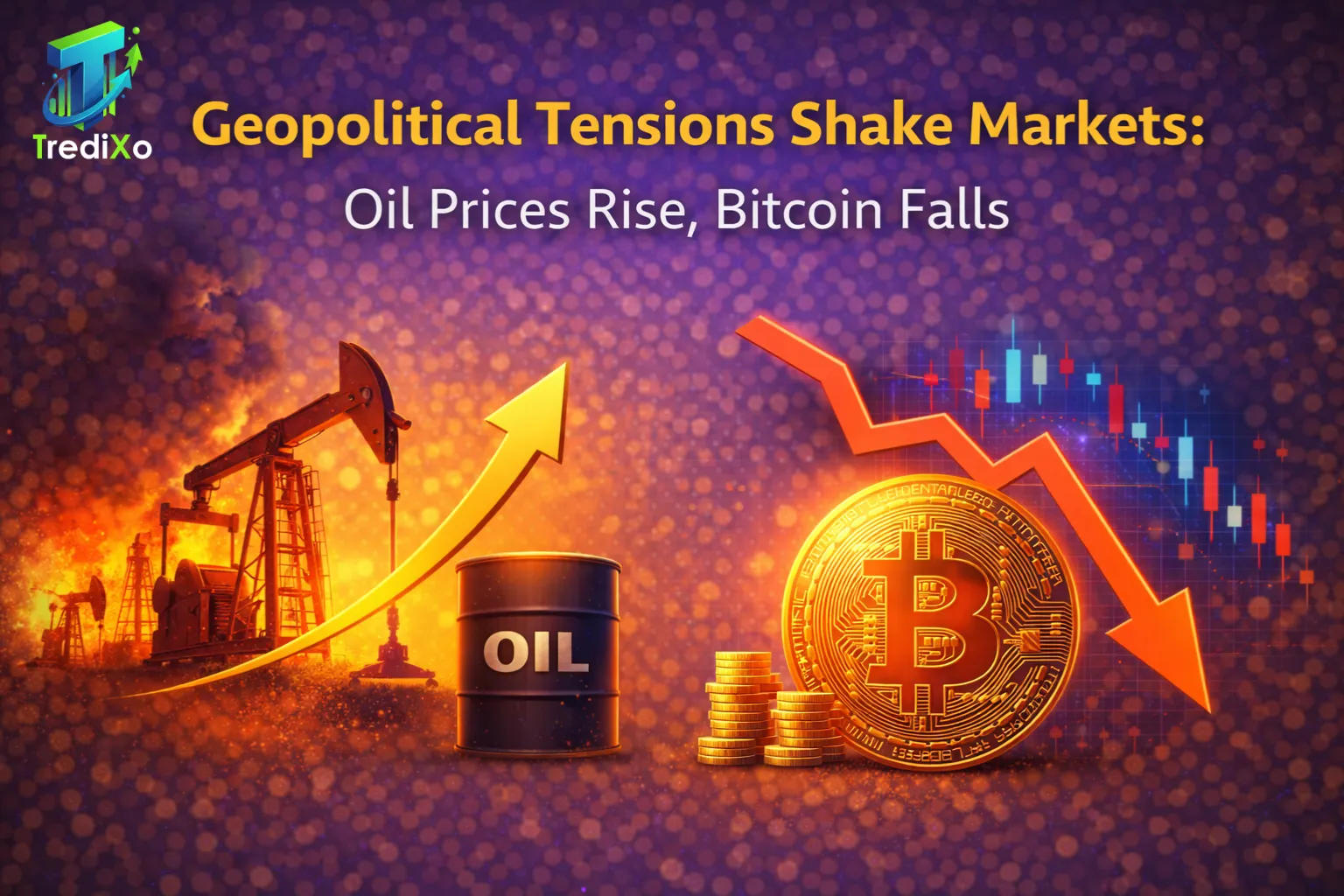
Geopolitical Tensions Shake Markets: Oil Prices Rise, Bitcoin Falls
Introduction to current geopolitical tensions
In a world where geopolitical tensions can change the economic landscape overnight, recent events have sent shockwaves through global markets. As countries grapple with uncertainties, investors find themselves navigating an unpredictable terrain. The volatility is palpable, and it’s evident that current conflicts are causing ripples in everything from oil prices to cryptocurrency values. Today, we delve into how these geopolitical tensions impact markets and what it means for your investments moving forward. With oil prices rising dramatically and Bitcoin faltering amid global tensions, understanding this dynamic is more crucial than ever. Let's explore the intricate dance between politics and economics that defines our financial reality today.
Impact on markets and economy
Geopolitical tensions create ripples across global markets, often leading to unpredictable shifts in investor sentiment. As uncertainty looms, stock prices can swing wildly, affecting businesses and consumers alike.
The immediate reaction is usually a flight to safety. Investors tend to pull funds from riskier assets in favor of more stable investments like government bonds or precious metals. This scramble heightens market volatility, causing fluctuations that impact everything from retirement accounts to everyday savings.
Economic fundamentals also take a hit during such crises. Supply chains may be disrupted due to conflicts or sanctions, pushing costs higher for consumers. Inflationary pressures could rise as essential goods become scarcer.
In the long run, sustained geopolitical tensions can hinder economic growth by discouraging investment and trade. Businesses may delay expansion plans while they assess risks associated with unstable regions and potential regulatory changes.
Increase in oil prices
Recent events have triggered a significant surge in oil prices. The ongoing geopolitical tensions create uncertainty, causing investors to react swiftly.
As conflicts escalate, supply chain disruptions loom larger. Nations dependent on stable energy sources find themselves vulnerable to price hikes. This instability often leads to frantic market reactions.
Crude oil prices are particularly sensitive during such crises. Traders closely monitor news cycles and government statements for clues about future production levels and potential sanctions.
Additionally, OPEC’s decisions play a crucial role in shaping the market landscape. Any hints at reducing output can send prices skyrocketing almost overnight.
The ripple effect is felt globally; countries grapple with increased transportation costs and inflationary pressures that follow suit. Consumers may soon notice these changes at the pump as fuel becomes pricier due to this crude oil price surge.
Fall of Bitcoin prices
Bitcoin prices have taken a notable hit amid rising geopolitical tensions. Investors are skittish, and uncertainty has become the order of the day.
As traditional markets respond to global unrest, Bitcoin falls in tandem with other risk assets. The allure of digital currencies often wavers when external factors shake confidence in financial systems.
High volatility remains inherent in cryptocurrency markets. As news breaks about conflicts or diplomatic strains, traders react quickly, leading to sharp price fluctuations.
Additionally, regulatory scrutiny plays a part. Governments may tighten rules during crises—further pushing investors towards safer havens instead of speculative assets like Bitcoin.
This backdrop creates an atmosphere where many choose caution over ambition. With every headline that stirs anxiety, we see more sell-offs rather than buy-ins across crypto exchanges.
Factors contributing to market reactions
Market reactions are often influenced by a complex interplay of factors. Geopolitical tensions, for instance, create uncertainty and fear among investors. This anxiety can lead to swift changes in trading behavior.
Economic indicators also play a significant role. Data such as employment rates or inflation figures can shift market sentiment instantly. Positive news may boost confidence, while negative reports can trigger panic selling.
Furthermore, media coverage amplifies these reactions. Headlines about conflicts or diplomatic negotiations shape public perception and influence decision-making in real-time.
Investor psychology cannot be overlooked either. Emotional responses often drive actions more than fundamentals do during turbulent times. Herd mentality might cause sudden sell-offs or buying frenzies based on prevailing narratives.
Central bank policies contribute significantly to market dynamics. Interest rate adjustments and monetary easing strategies impact liquidity and risk appetite across various sectors globally.
Potential long-term effects
The long-term effects of geopolitical tensions on markets can be profound. Increased instability often leads to heightened volatility, influencing investor confidence and altering global trade dynamics.
Supply chains may experience disruptions, prompting countries to reconsider their dependencies. This shift could foster a more fragmented economic environment where nations prioritize self-sufficiency over globalization.
Energy prices might remain elevated as countries seek alternative sources or enhance production capabilities. A sustained crude oil price surge could transform energy policies for years to come.
In the financial sector, risk-averse strategies may become standard practice among investors. Caution in asset allocation can reshape market behaviors extensively.
Emerging technologies and green initiatives might gain traction as nations aim for resilience against future shocks. The landscape will evolve, reflecting lessons learned during these turbulent times without losing sight of innovation opportunities.
Strategies for investors to navigate uncertain times
During turbulent times, investors should prioritize diversification. Spreading assets across various sectors can mitigate risks associated with geopolitical tensions impact markets.
Monitoring global events is crucial. Awareness of political situations and economic indicators helps in making informed decisions. Staying updated allows for timely adjustments to portfolios.
Consider defensive investments like utilities or consumer staples. These sectors often weather economic storms better than others. They provide stability when market volatility spikes.
Additionally, keep some cash reserves ready for opportunistic buying during dips. Volatile markets can present chances to acquire undervalued assets at lower prices.
Don’t shy away from consulting financial advisors. Their expertise can guide you through complex scenarios where emotions may cloud judgment. A well-rounded perspective often leads to smarter investment choices amidst uncertainty.
Conclusion
Navigating through geopolitical tensions requires a keen understanding of market dynamics. Investors must stay informed about global events and their potential repercussions on various asset classes.
The unpredictable nature of these situations means that agility is key. Being adaptable can provide an edge when conditions shift rapidly.
Investors should also consider diversifying portfolios to mitigate risks associated with volatility. Balancing traditional assets with emerging options could be a wise approach in turbulent times.
Staying updated, being strategic, and maintaining a level head will empower investors during uncertain periods. The markets may fluctuate, but informed decisions can lead to opportunities amidst the chaos.
FAQ
What are the current geopolitical tensions affecting markets? '
Recent events such as conflicts in Eastern Europe and rising tensions in the Middle East have caused uncertainty. These situations create ripples across global markets, impacting everything from stocks to commodities.
How do geopolitical tensions impact oil prices?
Geopolitical unrest often leads to supply chain disruptions or fears of shortages, which drive oil prices up. Investors react by speculating on potential outcomes, causing price fluctuations.
Why is Bitcoin falling amid global tensions?
Bitcoin falls amid global uncertainties due to its perception as a risk asset. As investors seek safer havens like gold or government bonds during times of crisis, cryptocurrencies tend to suffer.
What should investors consider during periods of market volatility?
Investors should stay informed about the news that drives these geopolitical issues. Diversifying portfolios and focusing on long-term strategies can help weather short-term market swings effectively.
Are there specific sectors more affected by crude oil price surges?
Yes, sectors like transportation and manufacturing may experience significant impacts due to increased operational costs linked with higher crude oil prices. Additionally, energy companies might benefit from rising oil prices while consumers face higher fuel costs.
Staying aware of these dynamics can empower both seasoned investors and newcomers alike amidst ongoing changes in the financial landscape. All the credit goes to Tredixo