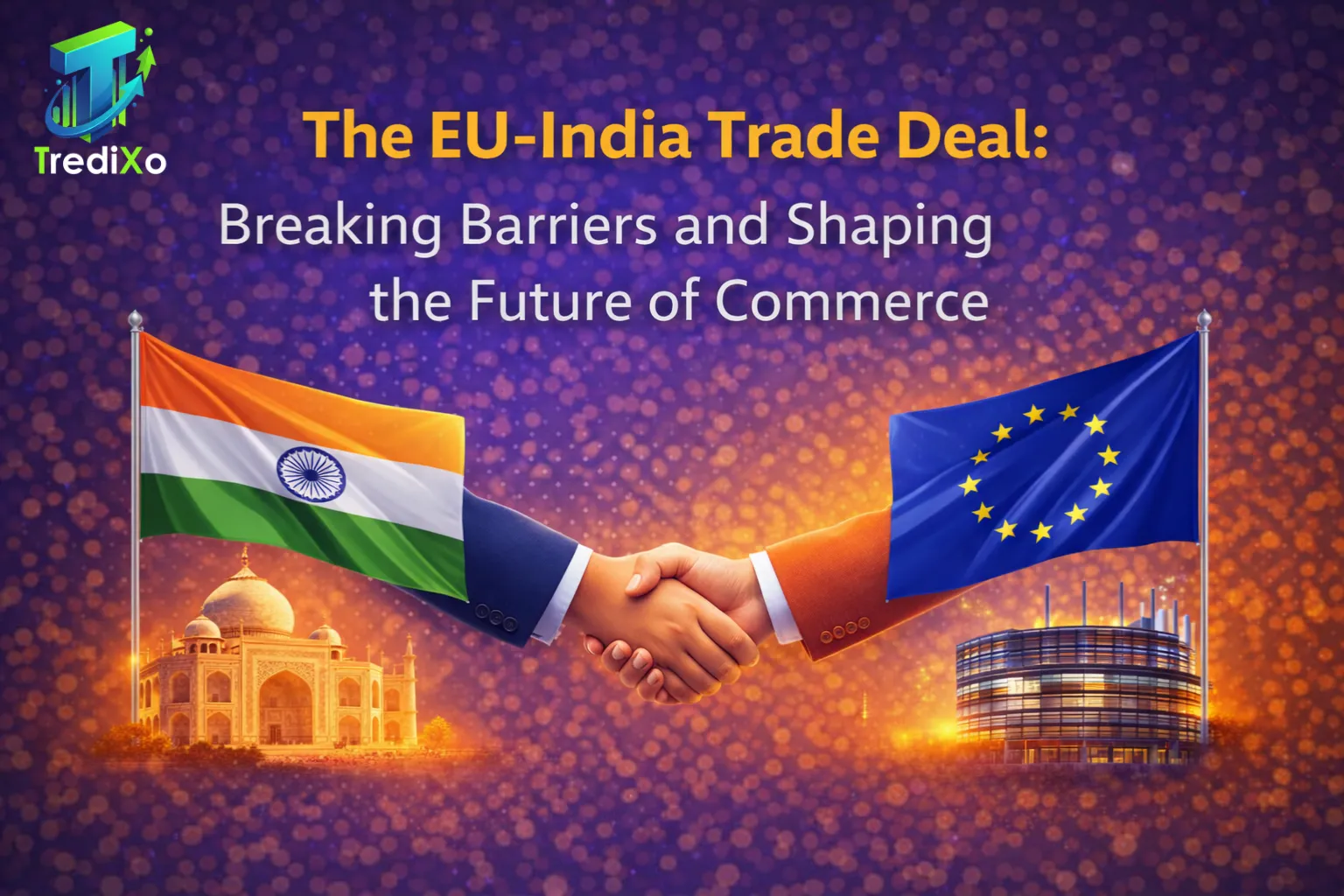
The EU-India Trade Deal: Breaking Barriers and Shaping the Future of Commerce
Introduction to the EU-India Trade Deal
Trade agreements have always been pivotal in shaping global commerce, and the EU-India trade deal is no exception. As two of the world’s largest economies come together, there is much at stake and even more to gain. The European Union India trade deal promises a fresh chapter in economic collaboration that can unlock vast opportunities for businesses on both sides.
This partnership isn’t just about reducing tariffs; it signifies a deeper integration of markets, cultures, and ideas. With potential benefits ranging from job creation to innovation enhancement, this agreement could reshape how we view international trade relations altogether.
But what exactly does this mean for Europe and India? Let’s dive into the specifics of this landmark agreement to understand its implications better.

Benefits for Both Parties
The European Union India trade deal holds significant advantages for both the EU and India. For the EU, access to India's growing market is a game changer. Consumers eager for diverse products can drive economic growth across member states.
India stands to gain from reduced tariffs on exports to Europe. This means Indian businesses will find it easier and more cost-effective to enter one of the world's largest markets.
Job creation is another vital benefit. As trade increases, so does demand for skilled labor in various sectors like technology, agriculture, and manufacturing.
Collaboration on innovation will flourish as companies partner across borders. Sharing expertise can lead to groundbreaking advancements in areas such as renewable energy and digital services.
Cultural exchanges may also thrive alongside commerce. As businesses connect, people-to-people ties strengthen, fostering mutual understanding between these two regions.
Key Areas of Focus
The EU-India trade deal zeroes in on several pivotal areas that will enhance their economic synergy. One of the foremost focuses is tariff reduction. By lowering tariffs, both regions can boost imports and exports significantly.
Another critical area is digital trade. With an increase in e-commerce, policies fostering a seamless digital marketplace are essential for growth. This includes data protection regulations that respect privacy while facilitating smooth transactions.
Additionally, sustainable development plays a vital role. Both parties aim to promote environmentally friendly practices within industries like agriculture and manufacturing.
Intellectual property rights also come into play, ensuring innovation thrives by protecting creators from infringement. This focus encourages investments and technological exchanges between India and the EU.
Sectors such as pharmaceuticals, textiles, and automotive are set to benefit greatly from this cooperation. Enhanced collaboration here could lead to innovative solutions that address global market demands effectively.
Challenges and Solutions
The EU-India trade deal is not without its hurdles. Both parties face significant challenges in aligning regulations and standards. Diverse economic structures can complicate negotiations, making it difficult to reach a consensus.
Trade barriers such as tariffs and non-tariff measures pose additional obstacles. India's protective stance on certain industries often clashes with the EU’s push for market access.
To overcome these issues, both sides must engage in open dialogues. Establishing clear frameworks will help streamline processes and build trust between partners.
Implementing gradual tariff reductions could ease tensions, allowing industries time to adapt. Joint initiatives focusing on technology transfer may also foster cooperation while addressing concerns over competition.
By tackling these challenges head-on, the European Union India trade deal has the potential to become a model of successful international collaboration in commerce.
Impact on Global Trade
The EU-India trade deal is poised to alter the landscape of global commerce significantly. By fostering closer ties between two massive economies, it could serve as a catalyst for increased trade flows worldwide.
With both the European Union and India being influential players in their respective regions, this partnership may encourage other nations to pursue similar agreements. The ripple effect can stimulate economic growth beyond Europe and South Asia.
Moreover, enhanced cooperation on tariffs and regulations can lead to more streamlined processes. This efficiency will likely attract international businesses eager to capitalize on new market opportunities created by the agreement.
Furthermore, a successful EU-India free trade agreement may inspire developing countries to enter into their own bilateral arrangements. As nations witness how collaboration yields benefits, they might be motivated to dismantle their barriers too.
Conclusion: The Future of EU-India Relations
The EU-India trade deal signifies a pivotal moment in international commerce. As both regions embrace deeper economic ties, the potential for growth expands.
Enhanced cooperation can lead to innovative solutions that benefit diverse sectors. Technology, agriculture, and green energy stand to gain immensely from this partnership.
Cultural exchanges will flourish alongside increased trade. This collaboration goes beyond economics; it nurtures mutual understanding and respect.
As barriers diminish, the landscape of global trade transforms. The EU-India dynamic could serve as a model for other partnerships worldwide.
Looking ahead, sustained dialogue and commitment are essential. Both parties must navigate challenges with foresight and resolve to maximize benefits for their citizens.
This evolving relationship holds promise not just for Europe and India but also for shaping broader international economic trends in the years to come.
How This Trade Deal Will Shape the Future of Commerce
The EU-India trade deal is set to redefine the landscape of global commerce. As both regions aim to streamline regulations and reduce tariffs, businesses will experience newfound opportunities.
This agreement fosters innovation by encouraging collaboration in technology and sustainability sectors. Companies from both sides can leverage each other's strengths, resulting in cutting-edge solutions that address 21st-century challenges.
Moreover, enhanced market access will open doors for small and medium enterprises. These businesses often lack resources but now have a chance to expand their reach significantly.
Consumer choice will also increase as various products flow more freely between Europe and India. This influx can lead to competitive pricing and improved quality across the board.
As these economies grow closer together, they’re not just forging economic ties; they're building robust cultural connections that enhance mutual understanding. The future of commerce looks promising with such partnerships at the forefront.
FAQ
The EU-India trade deal represents a significant shift in global commerce dynamics. By breaking barriers and enhancing economic cooperation, both regions can reap substantial benefits that go beyond mere numbers.
As the partnership evolves, it's essential to consider common questions about its implications and future trajectory.
What is the main objective of the European Union India trade deal?
The primary goal of this agreement is to foster stronger economic ties between the EU and India, encouraging trade in goods and services while reducing tariffs.
How will this affect small businesses in both regions?
Small businesses stand to gain access to larger markets, promoting growth opportunities. The reduction of tariffs can lower costs for these enterprises when exporting or importing goods.
Will there be an impact on employment rates due to this agreement?
Yes, increased trade often leads to job creation as companies expand operations or enter new markets. Both regions may see a boost in various sectors such as technology, manufacturing, and agriculture.
What challenges might arise from the EU-India free trade agreement?
Challenges could include regulatory differences and concerns over labor standards or environmental regulations. However, these issues are being addressed through ongoing dialogue between parties involved.
How does this deal contribute to global trade relations?
By establishing strong bilateral ties between two major economies like Europe and India, it sets a precedent for other nations looking to enhance their own international partnerships.
This evolving relationship highlights not just immediate advantages but also long-term visions for collaborative success within global commerce frameworks that benefit everyone involved. All the credit goes Tredixo