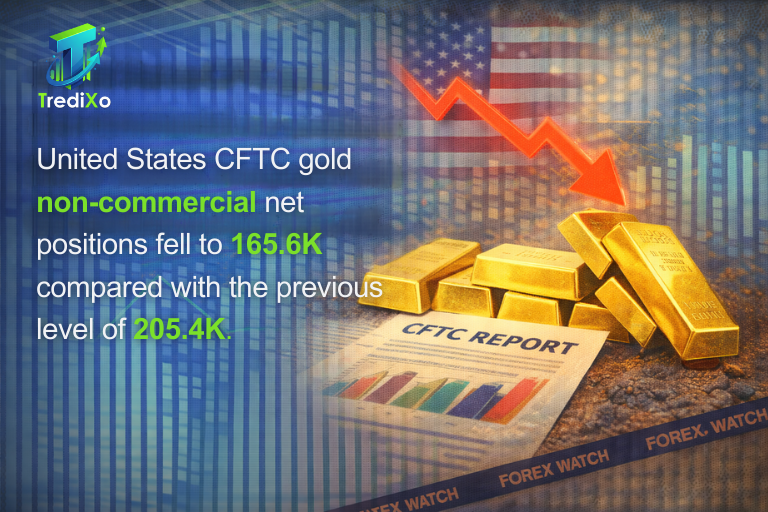
United States CFTC gold non-commercial net positions fell to 165.6K compared with the previous level of 205.4K.

Introduction to CFTC and Net Positions
The world of gold trading is ever-evolving, and the latest data from the United States Commodity Futures Trading Commission (CFTC) reveals some intriguing shifts in market sentiment. Recently released figures show that gold non-commercial net positions have dropped to 165.6K, down significantly from the previous level of 205.4K. This decline raises questions about investor confidence and market dynamics surrounding one of the most coveted assets on Earth.
As traders and investors analyse this CFTC Commitment of Traders report, it's clear that understanding these fluctuations is crucial for anyone interested in navigating the precious metals market effectively. What does this decrease mean for future trends? Let’s dive into what drives these numbers and how they might impact gold prices moving forward.

Explanation of Gold Non-Commercial Net Positions
Gold non-commercial net positions refer to the difference between long and short positions held by speculators in the gold market. These traders are not involved in producing or consuming gold; rather, they buy and sell contracts based on their predictions about future prices.
A long position indicates a bet that prices will rise, while a short position suggests an expectation of falling values. The net position is calculated by subtracting the total number of short contracts from long contracts.
Tracking these numbers gives insight into market sentiment. When many traders hold significant long positions, it typically signals bullish behaviour. Conversely, a high level of shorts can indicate bearish expectations among investors.
The CFTC Commitment of Traders report provides this valuable data regularly, allowing analysts and investors to gauge trends within the complex world of gold trading. This information is crucial for making informed decisions in volatile markets.
Factors Affecting Gold Non-Commercial Net Positions
Several factors influence gold non-commercial net positions in the futures market. Market sentiment plays a crucial role, driven largely by economic indicators and geopolitical events. When uncertainty looms, investors often flock to gold as a safe haven.
Interest rates also impact these positions significantly. Lower interest rates make gold more attractive compared to yield-bearing assets, encouraging higher speculative buying. Conversely, rising rates can dampen enthusiasm for gold.
Additionally, inflation expectations shape traders' outlooks on precious metals. If inflation is anticipated or already present, it tends to boost demand for gold as a hedge against currency devaluation.
Supply and demand dynamics are equally important. Changes in mining production levels or central bank policies regarding reserves can sway trader sentiment dramatically.
Technical analysis and chart patterns guide many speculators’ decisions when entering or exiting their positions in the market.
Analysis of the Recent Fall in Net Positions
The recent decline in gold non-commercial net positions has raised eyebrows among traders and investors alike. Falling from 205.4K to 165.6K, this shift signals a change in sentiment within the market.
One possible explanation is increased volatility in global financial markets. Investors may be reassessing their strategies amidst inflation concerns and fluctuating economic indicators.
Additionally, shifts in interest rates can influence positioning. As central banks adjust policies, speculators often react by reducing exposure to gold—a safe-haven asset during uncertain times.
Furthermore, geopolitical tensions can also sway trader behavior. If uncertainty lingers on the horizon, some might prefer cash or other investments over holding large amounts of gold contracts.
This drop reflects a cautious approach as participants weigh potential risks versus rewards moving forward.
Impact on Gold Prices
The recent decline in gold non-commercial net positions can have significant implications for gold prices. When speculators reduce their holdings, it often signals waning confidence in future price increases.
Lower net positions generally suggest that traders are less optimistic about gold’s performance. This shift can lead to increased selling pressure, as those holding short positions may act on their expectations of falling prices.
Additionally, a decrease in speculative interest might result in reduced liquidity within the market. Lower trading volumes can amplify price volatility and create uncertainty among investors.
As market sentiment shifts, traditional safe-haven buying could emerge if broader economic concerns arise. However, immediate reactions tend to lean towards downward adjustments until new factors indicate a reversal or stabilization of trends.
Market participants will be closely monitoring any changes in sentiment and positioning data moving forward to gauge potential impacts on pricing dynamics.
Comparison with Previous Levels
The recent decline in the United States CFTC gold non-commercial net positions to 165.6K from 205.4K reflects significant shifts in market sentiment. This drop is notable when compared to previous levels, which often hovered above the 200K mark.
Historically, higher net positions have indicated bullish investor sentiment towards gold. The current figures suggest a cautious approach among traders and investors alike.
Analyzing past trends reveals that fluctuations in these net positions can correlate with broader economic conditions and geopolitical events. For example, during times of uncertainty or financial instability, there tends to be an uptick in long positions as investors seek refuge in gold.
This latest data point raises questions about potential future movements within the gold market and how traders will adjust their strategies based on evolving circumstances. As such, observing these changes closely is critical for anyone involved in trading or investing activities related to gold.
Speculation on Future Trends
As we look ahead, the dynamics of gold non-commercial net positions remain a hot topic. Traders and investors are keenly watching for shifts in sentiment that could influence future positioning.
Market analysts suggest that geopolitical tensions and economic indicators will play pivotal roles. If uncertainty rises, demand for safe-haven assets like gold may surge once again.
Conversely, if the global economy stabilizes or shows signs of growth, traders might adjust their strategies. This could lead to further declines in non-commercial net positions as bullish sentiments wane.
Technological factors also hold weight. Innovations in trading platforms and data analytics can impact how traders respond to market signals swiftly.
The interplay between supply chain issues and inflationary pressures adds another layer of complexity. These elements together make predicting trends an intriguing challenge for industry participants moving forward.
Conclusion
The recent decline in United States CFTC gold non-commercial net positions to 165.6K from 205.4K signals a shift in market sentiment. Traders are revaluating their strategies amidst changing economic conditions.
As these positions fluctuate, they reflect broader trends within the precious metals market. Investors will be keenly watching how this impacts future price movements.
Understanding the nuances of the CFTC Commitment of Traders report can provide valuable insights for market participants. Staying informed on latest CFTC gold positioning data is essential for making educated decisions.
With ongoing geopolitical tensions and inflation concerns, speculating on future trends becomes even more critical. The dynamics surrounding gold remain complex and ever-evolving, urging traders to adapt quickly as new information surfaces.
FAQ
What is the CFTC?
The Commodity Futures Trading Commission (CFTC) regulates U.
S. financial markets, focusing on futures and options trading.
Why are non-commercial net positions important?
They indicate traders' sentiment about future price movements in commodities like gold. Higher positions can signal bullish trends, while lower numbers may reflect bearish outlooks.
How often is the COT report released?
The CFTC publishes its Commitment of Traders (COT) report weekly, typically every Friday. This data provides insights into market positioning for various commodities.
What causes fluctuations in gold non-commercial net positions?
Market conditions, economic indicators, and geopolitical events all play a role in influencing trader behavior and consequently affect these positions.
Where can I find the latest CFTC gold positioning data?
You can access it directly from the CFTC's website or through financial news platforms that track commodity markets regularly.
Disclaimer
The information provided in this article is for educational and informational purposes only. It does not constitute financial advice or a recommendation to trade or invest in commodities, including gold. The CFTC Commitment of Traders report can be subject to changes, and readers should conduct thorough research before making investment decisions based on the latest CFTC gold positioning data. Always consult with a qualified financial advisor for tailored guidance aligned with your personal circumstances. All credit goes to Tredixo .