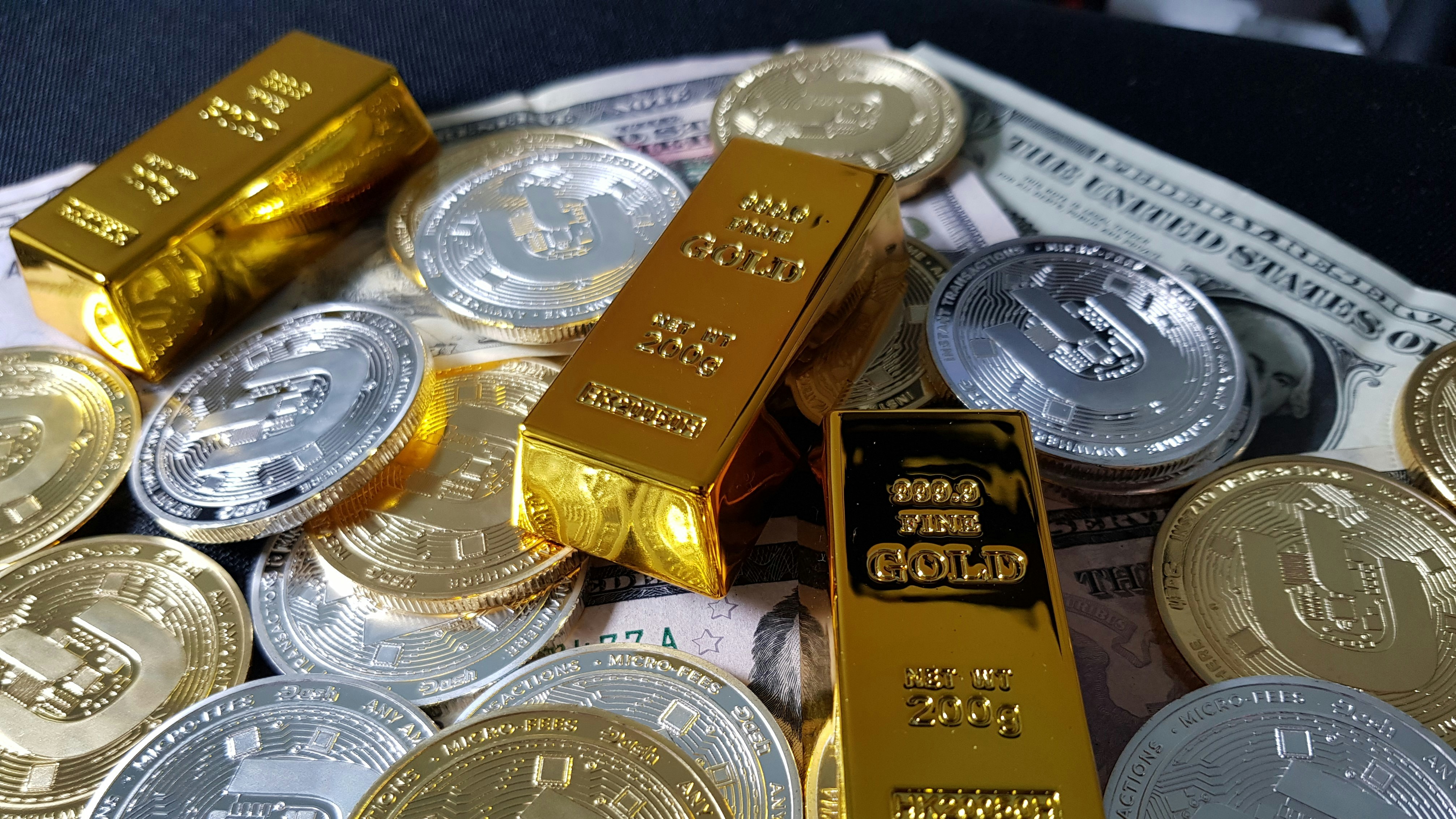
OLD AND SILVER WHICH ONE WILL DOMINATE IN and Silver Markets ?
The gold and silver markets are currently experiencing a mix of volatility and intrigue. Gold has maintained its status as a safe haven, often sought after during economic uncertainty. Investors flock to it in times of inflation or geopolitical tension, driving prices upward On the flip side, silver is carving out its niche as both an investment asset and an industrial metal. Demand for silver in technology and renewable energy sectors is on the rise. This dual role adds layers to its market dynamics.
Both metals have seen fluctuations tied to interest rates and currency strength. As central banks navigate post-pandemic recovery strategies, their policies will significantly impact these precious metals’ performance moving forward. Market sentiment remains cautious yet optimistic about potential growth in 2026.
Factors Affecting the Price of Gold and Silver
The price of gold and silver is influenced by a myriad of factors. Economic conditions play a significant role, as inflation or recession can drive investors toward these precious metals for safety.
Supply and demand dynamics also impact pricing. For instance, increased mining activity can lower prices, while scarcity often elevates them.
Additionally, geopolitical tensions create uncertainty in financial markets. During such times, many turn to gold and silver as safe-haven assets.
Interest rates are another critical factor; when rates rise, the appeal of holding non-yielding assets like gold diminishes. Conversely, low-interest environments make precious metals more attractive.
Currency fluctuations further complicate matters. A weaker dollar typically boosts gold and silver prices since they become cheaper for foreign buyers.
All these elements interplay in complex ways, shaping the market landscape for both metals continually.
Predictions for Gold and Silver in 2026
As we look ahead to 2026, the predictions for gold and silver are shaping up based on several market signals. Analysts suggest that geopolitical tensions may keep gold prices buoyant. This precious metal often acts as a safe haven during uncertain times.
On the other hand, silver could see increased demand from industrial sectors, particularly in technology and renewable energy. The push for green initiatives might propel its value higher than expected.
Market sentiment will be influenced by interest rates. A stable or declining rate environment tends to favor both metals but can impact them differently. Gold usually benefits more directly compared to silver's dual role as an investment and industrial commodity.
Investor behavior will also play a crucial role in determining which metal shines brighter by 2026. Will people flock to the traditional safety of gold, or will they diversify into silver? Only time will tell how these dynamics unfold.
Pros and Cons of Investing in Gold and Silver
Investing in gold offers a sense of security. It has stood the test of time as a store of value and often performs well during economic downturns. Many view it as a hedge against inflation, making it an attractive option for risk-averse investors.
On the flip side, gold doesn’t yield income like dividends or interest. Its price can be volatile too, influenced by global events and market sentiment. This unpredictability might deter some potential investors.
Silver presents its own unique benefits. It's more affordable than gold, allowing newcomers to enter the precious metals market without breaking the bank. Silver also has significant industrial uses, which can drive demand beyond just investment purposes.
However, silver is often more susceptible to price swings due to its smaller market size compared to gold. Investors should consider their risk tolerance before diving into either metal's complexities and opportunities.
Diversifying Your Portfolio with Precious Metals
Investing in precious metals like gold and silver provides a buffer against market volatility. These assets often move independently of stocks and bonds, making them an excellent choice for portfolio diversification.
Gold tends to shine during economic downturns. Investors flock to it as a safe haven when uncertainty looms. Its long-standing history as a reliable store of value boosts its appeal.
Silver, on the other hand, has unique industrial applications that can drive demand beyond just investment purposes. This dual role can lead to price surges based on technology trends or manufacturing growth.
Including both metals in your portfolio allows you to balance risk effectively. While one may underperform, the other could excel, helping stabilize overall returns.
Consider not only direct investments but also ETFs or mutual funds focused on these precious metals for added flexibility in your strategy.
FAQ
What are the key differences between gold and silver?
Gold tends to be more stable in value, while silver can be more volatile. Investors often choose gold for safety during economic downturns.
Is it better to invest in physical metals or ETFs?
Physical metals provide tangible assets, but they come with storage costs. ETFs offer liquidity and ease of trading without needing a secure location.
How do I determine the right amount to invest in precious metals?
This depends on your financial goals and risk tolerance. A diversified portfolio may include 10-20% of your assets in gold and silver.
Are there any tax implications when selling gold or silver?
Yes, profits from selling these metals can be subject to capital gains tax. Consult a tax professional for specifics related to your situation.
Can I buy fractional amounts of gold or silver?
Absolutely! Many dealers offer options for purchasing smaller quantities, making investing more accessible.
Conclusion: Which Will Come Out on Top?
As we look toward 2026, the battle between gold and silver continues to intrigue investors. Both metals hold a unique position in the financial landscape. Gold often shines as a safe-haven asset, particularly during times of economic uncertainty. Its value tends to appreciate when inflation rises or geopolitical tensions escalate.
On the other hand, silver is more than just an investment; it’s also crucial for various industries including electronics and renewable energy. This dual demand could lead to significant price fluctuations based on technological advancements and market trends.
Investors need to weigh their options carefully. Each metal has its advantages and risks. While gold offers stability, silver presents opportunities tied closely to industrial growth.
Determining which will dominate may depend on individual investment goals and market conditions leading up to 2026. As both assets continue evolving within a dynamic economy, staying informed will be key for anyone looking at precious metals as part of their portfolio strategy. all credit to tredixo