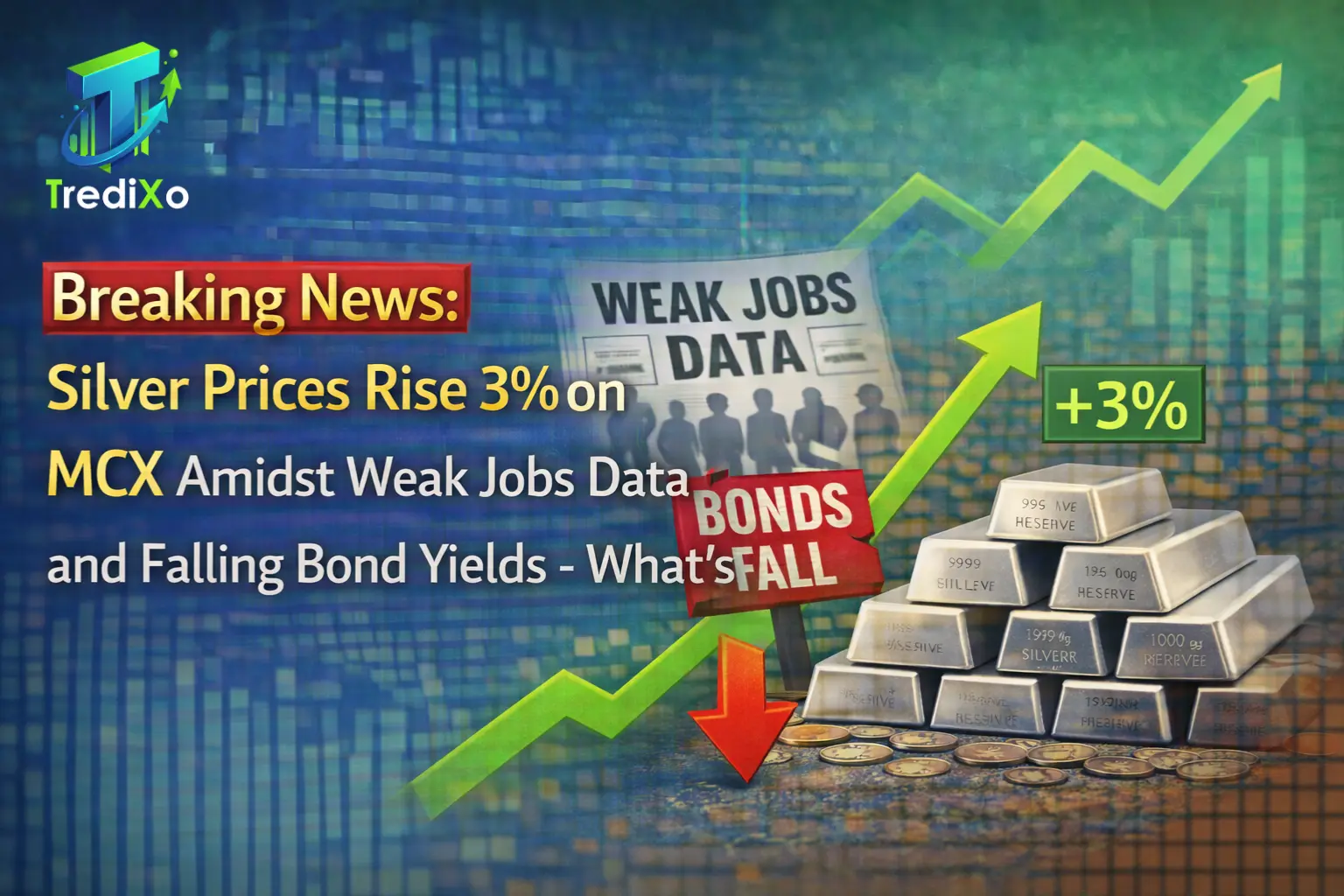
Breaking News: Silver Prices Rise 3% on MCX Amidst Weak Jobs Data and Falling Bond Yields - What's
Introduction to the rise of silver prices
Silver prices are making headlines as they rise 3% on the Multi Commodity Exchange (MCX). This surge comes at a time when economic indicators are sending mixed signals, particularly with recent weak jobs data and falling bond yields. Investors and analysts alike are scratching their heads, trying to decipher what these trends mean for the silver market moving forward. With a blend of uncertainty and opportunity in the air, it’s crucial to understand why now might be the perfect moment to pay attention to silver investments. Let’s dive into how MCX plays a pivotal role in this scenario and what factors are driving these price changes.
Explanation of MCX and its role in determining silver prices
The Multi Commodity Exchange (MCX) is a pivotal platform in India for trading various commodities, including silver. It provides a transparent and efficient marketplace where investors can buy and sell futures contracts.
Silver prices on the MCX are influenced by numerous factors, such as global market trends, currency fluctuations, and domestic demand. Traders closely monitor these elements to make informed decisions about their investments.
With real-time data and analytics available through the MCX platform, stakeholders gain insights into price movements. This encourages strategic trading based on market sentiment and economic indicators.
Moreover, regulatory oversight ensures that trades conducted on the MCX maintain integrity. As a result, it becomes easier for participants to trust the pricing mechanism associated with silver transactions in India’s vibrant commodity landscape.
Impact of weak jobs data on silver prices
Weak jobs data often signals economic uncertainty. When employment figures fall short of expectations, investors typically seek safer assets. Silver has historically been one of those safe havens.
As job growth slows, the demand for physical silver tends to increase. Investors look for stability during turbulent times, driving prices higher on platforms like MCX.
Moreover, lower job numbers can hint at a sluggish economy. This situation fuels concerns about inflation and currency devaluation. Consequently, silver becomes more attractive as a hedge against these risks.
Market sentiment shifts in response to weak labor reports. Traders react quickly, which can lead to increased buying activity in silver markets. Such dynamics create an upward pressure on prices that resonates with savvy investors looking for opportunities amid economic turbulence.
How falling bond yields affect the value of silver
Falling bond yields typically signal a shift in investor sentiment. When bond yields decline, the opportunity cost of holding non-yielding assets like silver decreases. This makes precious metals more attractive.
Low yields suggest that economic growth may be slowing down. In such an environment, investors often flock to safe-haven assets, leading to increased demand for silver.
Moreover, lower bond returns push many into alternative investments. As traditional fixed-income returns dwindle, silver and other commodities gain appeal as stores of value.
The inverse relationship between bonds and silver prices is crucial for market participants. Monitoring yield movements gives insights into potential shifts in the silver market landscape.
With uncertain economic conditions ahead, falling yields could further bolster interest in this precious metal as a hedge against inflation and currency devaluation.
Analysis of current market trends and predictions for future silver prices
Current market trends indicate a growing interest in silver, driven by both economic uncertainty and increased industrial demand. Investors are closely monitoring fluctuations on the MCX platform, where prices have shown significant responsiveness to external factors.
As inflation concerns rise, precious metals like silver often become attractive hedges for investors. The recent uptick reflects this shift in sentiment among traders. Analysts suggest that if this trend continues, we could see further gains in the upcoming months.
Moreover, the industrial sector's recovery post-pandemic is expected to boost demand for silver beyond traditional investment avenues. Solar energy and electronics industries increasingly rely on silver as a key component.
Technical indicators hint at potential price targets that may entice more buyers into the market soon. With geopolitical tensions lingering and financial markets unstable, many predict sustained upward momentum for silver prices ahead.
Strategies for investors looking to capitalize on the rising silver market
Investors keen on capitalizing on the rising silver market should consider diversifying their portfolios. This could mean allocating a portion to physical silver, such as coins or bars, which can provide tangible security.
Another strategy is trading silver ETFs. These funds track the price of silver and offer liquidity without the hassles of storage. They allow for quick entry and exit in a fluctuating market.
Options trading presents another opportunity for savvy investors. By using call options, one can leverage potential gains while limiting downside risk.
Staying informed about macroeconomic indicators is crucial. Pay attention to inflation rates and central bank policies, as these factors often influence precious metal prices significantly.
Joining online communities or forums focused on precious metals can yield valuable insights from experienced traders. Engaging with others in this niche may reveal strategies that align with individual investment goals.
Conclusion: Is now the time to invest in silver?
Silver’s recent surge on the MCX might catch your attention. With prices climbing 3%, many investors are reconsidering their portfolios.
The backdrop of weak jobs data and declining bond yields creates a compelling case for silver as a safe haven asset. When economic indicators falter, precious metals often gain traction as alternative investments.
If you’ve been contemplating diving into the silver market, now could be an opportune moment. The current trends suggest potential for further price increases.
However, every investment carries risk. It’s wise to assess your financial goals and market conditions before making any decisions. Consider diversifying within your portfolio to manage risk effectively.
Navigating the intricacies of investing in silver requires careful thought and strategy. Stay informed about market movements to make sound choices that align with your investment objectives.
FAQ
What factors influence silver prices on MCX?
Silver prices on the Multi Commodity Exchange (MCX) are influenced by various elements. Economic indicators, global market trends, and geopolitical events can all play a significant role in price fluctuations.
Is investing in silver a safe option?
Investing in silver carries inherent risks, like any commodity. However, it can act as a hedge against inflation and currency devaluation. Many investors view it as a stable asset during uncertain times.
How often do silver prices change on MCX?
Silver prices on MCX can fluctuate frequently throughout trading hours. Factors such as supply-demand dynamics and external economic news impact these changes almost daily.
Where can I track live MCX silver rates?
You can monitor live rates through financial news websites or directly from the MCX official site. Trading platforms also provide real-time updates for convenience.
What is the best time to invest in silver?
Timing your investment depends largely on market conditions and personal financial goals. Keeping an eye on economic reports might help identify favorable moments for entry into the market.
DISCLAIMER
The information provided in this blog is for educational and informational purposes only. Readers should not consider it financial advice.
Investing in silver or any commodity carries risks. It's essential to conduct your own research before making investment decisions.
Market conditions can change rapidly, impacting prices significantly. This post reflects current trends but does not guarantee future results.
Always consult with a licensed financial advisor who understands your personal situation and risk tolerance.
We are not responsible for any losses incurred as a result of relying on the information presented here. Your investments are your responsibility, so stay informed and cautious. ALL CREDIT GOES TO TREDIXO