
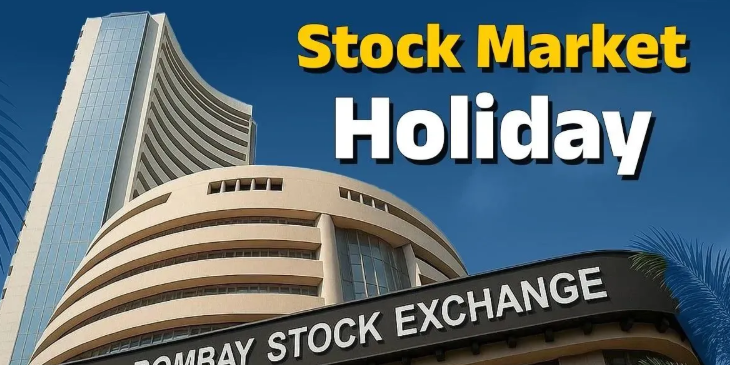
Mark Your Calendars: Stock Market to Observe Republic Day Holiday in 2026
As the calendar turns to January, anticipation builds across India for one of the most significant national events—Republic Day. On this day, celebrated every year on January 26th, the country honors its democratic values and constitutional framework. While citizens prepare for parades and cultural displays, investors are also mindful of another critical aspect: the stock market holiday. In 2026, both the National Stock Exchange (NSE) and Bombay Stock Exchange (BSE) will remain closed in observance of Republic Day.
This closure affects trading activities but raises important questions about how it influences investor sentiment and market trends. Let’s dive deeper into what makes Republic Day special, its impact on the stock market, historical trends related to this holiday, preparation tips for investors during closures, and alternative investment strategies you can explore while markets are offline. Get ready to navigate your investment journey with insight!
What is Republic Day and why is it celebrated?
Republic Day Holiday marks a pivotal moment in India's history, celebrated annually on January 26th. This day commemorates the adoption of the Constitution of India in 1950, which transformed the nation into a sovereign republic.
The significance lies not only in its historical roots but also in its celebration of democratic values and rights. It reflects the hard-fought struggle for independence and equality among all citizens.
Festivities include grand parades showcasing cultural diversity, military prowess, and patriotic spirit across major cities. The iconic ceremony at Rajpath in New Delhi features performances from schoolchildren, traditional dancers, and marching contingents.
Beyond the festivities, Republic Day serves as a reminder of unity amidst diversity. Citizens reflect on their responsibilities while honoring those who fought for freedom and justice. It's a day where pride envelops every corner of the nation as people come together to celebrate their shared identity.
Impact of Republic Day on the Stock Market
Republic Day holds significant importance in India, marking the adoption of the Constitution. This national holiday often influences market sentiment.
During Republic Day, trading volumes typically decrease as investors take a break to celebrate. The absence of activity can lead to heightened volatility when markets reopen.
Investors may react to pre-holiday developments or geopolitical news. Speculation around government policies announced during celebrations can also sway investor behavior.
Additionally, sectors tied closely to defense and public sector enterprises might see increased interest leading up to this holiday. Companies associated with patriotic themes could experience a surge in stock prices as well.
Market analysts keep an eye on historical patterns surrounding this day, looking for trends that could indicate future movements. The impact is multifaceted, blending national pride with economic considerations.
Historical Trends of the Stock Market during Republic Day
Historical data reveals intriguing patterns in the stock market around Republic Day. Over the years, this national holiday has sparked varied investor sentiment.
In many instances, markets exhibit a bullish trend leading up to January 26. Traders often anticipate positive news and economic stability during this time. The festive atmosphere can uplift investor confidence.
However, trading volumes tend to dip as the holiday approaches. Many investors prefer to stay away from active trading in anticipation of the break. This reduced activity can lead to increased volatility on days preceding Republic Day.
Looking back at previous years shows mixed results post-holiday. Some traders see opportunities for gains as markets reopen, while others experience corrections after an uptick in pre-holiday enthusiasm.
Understanding these historical trends is vital for making informed decisions ahead of any stock market holiday.
How to prepare for a stock market holiday
Preparing for a stock market holiday requires careful planning. Start by reviewing your portfolio to assess any pending trades or investments. This will help you identify opportunities or necessary adjustments before the break.
Next, set clear goals for your trading strategy post-holiday. Knowing what you want to achieve can guide your decisions when the markets reopen.
Consider keeping an eye on relevant news and economic indicators during this time. Staying informed ensures you're ready to react quickly once trading resumes.
Additionally, engage in research about potential stocks or sectors of interest that may benefit from upcoming trends after the holiday.
Consider using this downtime for professional development. Read books or take online courses related to investing strategies and market analysis techniques to enhance your skills while waiting for the market's reopening.
Alternatives to trading on Republic Day
While the stock market is closed on Republic Day of India , there are still plenty of activities to engage in. Consider using this time for research and education. Dive into financial literature or explore online courses related to trading strategies.
Networking can also be valuable. Connect with fellow traders through forums or social media groups. Sharing insights can enhance your understanding of market trends.
Another alternative is to analyze past performance data. Look at historical charts and patterns around national holidays like Republic Day. Understanding these trends may give you an edge when trading resumes.
Take a moment for self-care and relaxation. A refreshed mind often leads to better decision-making when the markets reopen, ensuring you're prepared for new opportunities ahead.
Conclusion
As we reflect on the significance of Republic Day, it becomes clear that this occasion is more than just a day off from trading. It embodies national pride and unity.
For investors, understanding market trends during such holidays can be beneficial. Recognizing patterns helps in making informed decisions for future investments.
While the stock exchanges are closed, it's also an opportunity to strategize. Exploring new avenues or revisiting existing portfolios allows traders to stay ahead.
Engaging in research about potential stocks and market movements prepares you for when trading resumes. Taking advantage of these quiet days can ultimately enhance your investment strategy.
Embracing the spirit of Republic Day while staying proactive in financial planning could lead to fruitful outcomes down the line.
FAQ
As Republic Day approaches, many investors and traders are keen to understand its implications on the stock market. Below is a compilation of frequently asked questions regarding the stock market holiday.
What is Republic Day?
Republic Day commemorates the adoption of the Constitution of India in 1950. It marks India's transition from a British Dominion to a republic, emphasizing democracy and sovereignty. Celebrations feature parades, cultural events, and various patriotic displays across the country.
Why do NSE and BSE remain closed on Republic Day?
The National Stock Exchange (NSE) and Bombay Stock Exchange (BSE) close their trading platforms on national holidays like Republic Day to honor this significant occasion. It allows participants to observe the day without engaging in trading activities.
How does Republic Day affect stock prices?
Stock prices can see fluctuations leading up to Republic Day due to varying investor sentiments driven by geopolitical factors or economic indicators. However, since markets are closed for trading on that day, there’s no immediate impact until they reopen afterward.
What should I do during a stock market holiday?
During this time away from trading, take an opportunity for reflection and research. Analyze past performance trends or plan your investment strategy moving forward. Engaging with educational resources can also enhance your knowledge base.
Are there alternative ways to invest when markets are closed?
Absolutely! Consider diversifying through mutual funds or systematic investment plans (SIPs). You can also explore other asset classes such as real estate or commodities while waiting for markets to resume operations after public holidays.
Understanding how national events intersect with market movements helps you become a more informed trader. Stay updated about important dates like these; it could prove beneficial in your trading journey.